




Prague’s Architectural Highlights for Visitors
Prague rewards visitors who look up. Medieval towers, Baroque domes, Gothic churches, Art Nouveau façades, and modern landmarks share the same streets, creating a living record of the city’s political, religious, and artistic history. Its compact historic center makes architectural sightseeing easy to combine with cafés, museums, and riverside walks.
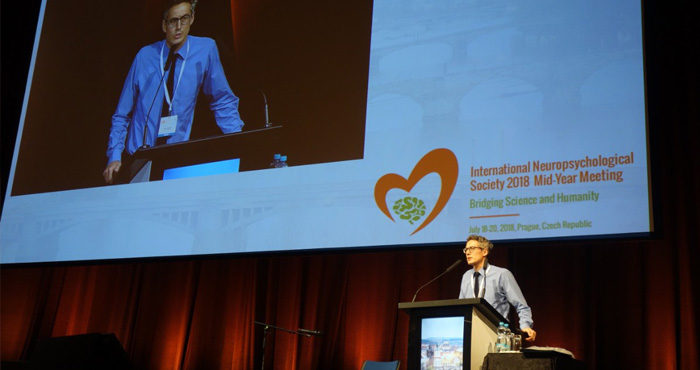
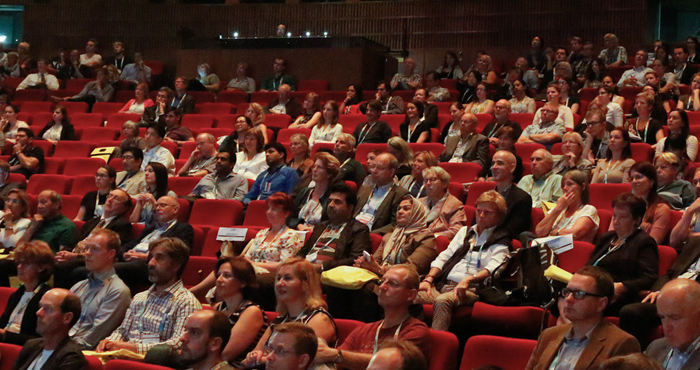
For delegates attending a conference or arranging a short cultural break, the city is especially approachable on foot. The INS 2018 archive provides useful context for visitors connected with the 2018 International Neuropsychological Society meeting, while Prague itself offers an absorbing setting beyond the conference venue.
A good itinerary should leave room for unplanned discoveries. A passageway may open onto a quiet courtyard, a tram may reveal a striking skyline, and an ordinary residential street may contain an exceptional example of nineteenth-century design.
Begin With Prague Castle
Prague Castle is less a single monument than a layered architectural district above the Vltava River. Its courtyards lead to St. Vitus Cathedral, whose soaring Gothic nave, flying buttresses, stained glass, and royal tombs make it one of the city’s essential sights. The Old Royal Palace and Golden Lane add smaller-scale historical detail to the complex.
Visit early if possible, when the courtyards are calmer and the morning light reaches the cathedral’s stonework. From the castle terraces, visitors can study Prague’s characteristic roofscape: red tiles, pale façades, church spires, and green copper cupolas extending toward the river.
Walk Across Charles Bridge
Charles Bridge connects the castle district with the Old Town and remains Prague’s most recognizable pedestrian route. Its Gothic bridge tower announces the medieval character of the crossing, while the line of Baroque statues gives the parapets a theatrical appearance. Some sculptures are replicas, with originals preserved in museums.
The bridge is busiest during the middle of the day. Sunrise offers clearer views of the Lesser Town, river islands, and castle hill, while evening brings illuminated façades and musicians to the riverside approaches. Continue through the Lesser Town to discover palaces, garden walls, and churches tucked behind busy streets.
Read The Layers Of Old Town
Old Town Square gathers several architectural periods in one open space. The Church of Our Lady before Týn rises above the surrounding roofs with dramatic Gothic spires, while the Old Town Hall combines medieval buildings with a later tower and the famous astronomical clock. The square’s pastel façades reflect later renovations and changing urban tastes.
Nearby, the Powder Tower marks the entrance to the historic royal route and provides a powerful example of late Gothic civic architecture. For a contrasting style, walk toward the Municipal House, an elaborate Art Nouveau landmark filled with mosaics, ornamental metalwork, stained glass, and decorative interiors.
Compare Styles In Josefov And The New Town
Josefov, Prague’s former Jewish quarter, contains a concentrated group of synagogues and the Old Jewish Cemetery. The Spanish Synagogue is especially notable for its Moorish Revival interior, while the Old-New Synagogue represents a restrained medieval Gothic tradition. These buildings should be visited with attention to their religious and historical meaning, not simply as visual attractions.
The New Town reveals a different urban rhythm. Wenceslas Square is a long boulevard framed by nineteenth- and twentieth-century buildings, leading toward the National Museum. Side streets display Art Nouveau ornament, functionalist geometry, and occasional examples of Czech Cubism, including the House of the Black Madonna.
| Area | Architectural character | Ideal time | Nearby experience |
|---|---|---|---|
| Prague Castle | Gothic, Renaissance, Baroque | Early morning | Panoramic city views |
| Charles Bridge | Medieval structure, Baroque sculpture | Sunrise or evening | Vltava river scenery |
| Old Town Square | Gothic, Baroque, historic civic design | Late afternoon | Astronomical clock and cafés |
| Josefov | Synagogues and historic urban fabric | Morning or quiet afternoon | Jewish Museum sites |
| New Town | Art Nouveau, Cubist, modern civic buildings | Daytime | Wenceslas Square and galleries |
| Vyšehrad | Romanesque, Gothic, Neo-Gothic | Sunset | Riverside paths and gardens |
Look For Modern Prague
Prague’s architectural story does not end with the medieval center. The Dancing House, designed by Frank Gehry and Vlado Milunić, introduces curved glass and concrete forms beside the river. Its unusual silhouette is best understood from the opposite bank or from a walk along the Náplavka embankment.
For a broader view of twentieth-century design, explore neighborhoods such as Vinohrady and Holešovice. Their apartment blocks, cafés, galleries, and renovated industrial buildings show how Prague continues to adapt historic spaces for contemporary life.
Make Room For Evening Culture
Architecture becomes more atmospheric after sunset. Illuminated towers and domes create a different visual hierarchy, and quieter streets around Malá Strana can feel far removed from the daytime crowds. Conference attendees planning an evening walk can use this after-hours cultural guide to pair landmark viewing with music, exhibitions, or local dining.
Vyšehrad is another rewarding evening destination. Its fortress walls, Neo-Gothic Church of Saints Peter and Paul, cemetery, and elevated river views offer a peaceful alternative to the central squares. The site also reveals Prague as a city of gardens, slopes, and open horizons rather than a collection of enclosed monuments.
Plan A More Enjoyable Architecture Walk
A little preparation makes the city’s historic center easier to appreciate:
- Wear comfortable shoes for cobblestones, slopes, and long pedestrian routes.
- Start at Prague Castle and descend toward Charles Bridge to avoid the steepest uphill walk.
- Reserve time for interiors, since stained glass, frescoes, courtyards, and decorative details often matter as much as façades.
- Use trams for longer connections, especially between the center, Vinohrady, and riverside districts.
- Pause at viewpoints across the Vltava to understand how Prague’s monuments relate to one another.
Allow at least one unstructured period each day. Prague’s architectural highlights are memorable as individual landmarks, but their strongest effect comes from seeing how styles, neighborhoods, and everyday life overlap.
Choose a route through the castle, historic center, riverfront, and one modern district, then set out with time to notice the details between major sights. With a comfortable pace and an evening walk included, a conference visit can become a rich exploration of Prague’s built heritage.
General Information
Important information about the meetingIndustry
Support and exhibition opportunitiesCzech Republic
Beautiful country situated in the very heart of EuropeContact
How can we help you?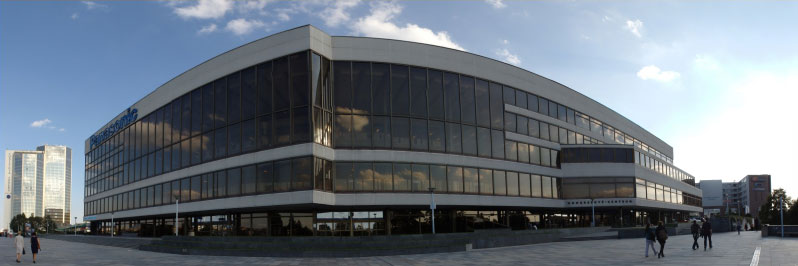
Prague Congress Centre (KCP)
5.května 65140 21 Prague 4
Czech Republic
Phone: +420 261 171 111
Website: www.kcp.cz