



Neuropsychology of Trauma: New Models and Methods
Trauma can alter attention, memory, emotional regulation, sleep, and the sense of personal safety. These effects rarely appear in isolation. A person may experience cognitive inefficiency alongside anxiety, chronic pain, dissociation, or difficulties interpreting social situations. Neuropsychological assessment therefore needs to connect brain-behavior findings with lived experience.
Recent work has moved beyond simple injury models toward dynamic accounts of trauma. These models consider developmental stage, repeated exposure, protective relationships, cultural context, and the changing demands placed on the nervous system. They also encourage clinicians to interpret test performance with care rather than treating scores as fixed evidence of impairment.
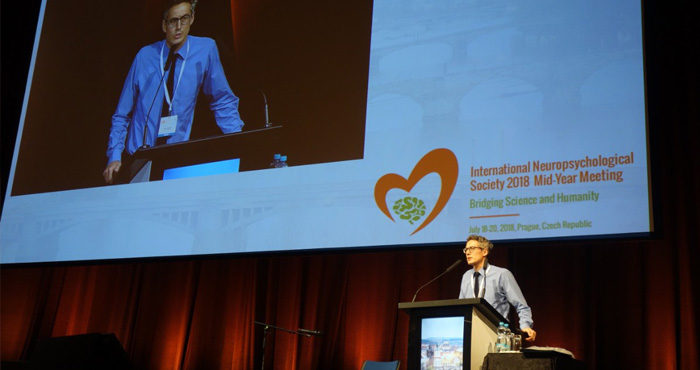
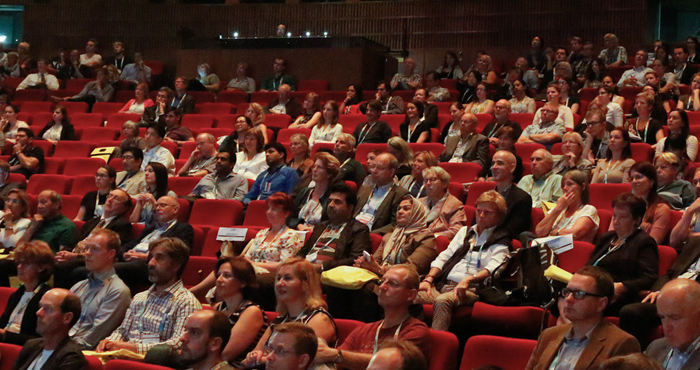
The 2018 International Neuropsychological Society meeting in Prague reflected this broader direction by linking scientific advances with humane clinical practice. Its focus remains relevant as researchers refine methods for identifying trauma-related cognitive changes and supporting recovery.
Why Trauma Requires A Broader Model
Traumatic stress can influence executive control, processing speed, working memory, autobiographical memory, and threat detection. Yet the same individual may perform well in a quiet testing room and struggle in environments that trigger vigilance or uncertainty. A single score cannot fully represent this variation.
A contemporary framework views cognition as the result of interacting biological and psychological systems. Sleep disruption, depression, medication effects, pain, social isolation, and ongoing danger may amplify cognitive symptoms. Assessment should therefore examine symptom patterns, functional demands, premorbid abilities, and the possibility that performance changes across contexts.
From Exposure To Brain And Behavior
Neuroimaging and psychophysiological research has associated trauma exposure with altered activity in networks involved in salience, emotion regulation, memory, and executive functioning. These findings can clarify mechanisms, but they do not establish a universal neural signature. Individual histories and developmental factors remain essential to interpretation.
The timing of adversity matters. Early-life trauma may affect language, attachment, educational progress, and the development of self-regulation, while adult trauma may disrupt established routines and occupational roles. Repeated or interpersonal trauma can produce a complex profile involving dissociation, hyperarousal, avoidance, and reduced confidence in memory.
Methods That Capture Real-World Function
Traditional neuropsychological tests remain useful when selected and interpreted within a clear clinical question. Measures of attention, inhibition, verbal learning, visual memory, and processing speed can help identify patterns that warrant support. However, ecological validity is especially important when symptoms fluctuate with stress.
Newer approaches include computerized tasks, remote monitoring, virtual reality, wearable physiological sensors, and experience-sampling methods. These tools can record cognition and arousal in more natural settings. Clinicians must still consider digital access, test familiarity, privacy, fatigue, and whether a technological measure adds meaningful information.
| Approach | Strength | Important Limitation |
|---|---|---|
| Standardized testing | Reliable comparison across cognitive domains | May underrepresent context-dependent difficulties |
| Ecological assessment | Shows how symptoms affect daily activities | More demanding to administer and interpret |
| Neuroimaging | Explores neural circuits and mechanisms | Group findings do not predict one person’s outcome |
| Physiological monitoring | Captures arousal and stress responses | Signals can be affected by movement and environment |
| Collaborative interviews | Integrates history, culture, and lived experience | Depends on trust, communication, and clinician skill |
Culture, Context, And Humane Care
Trauma symptoms are expressed through language, beliefs, relationships, and local expectations. Cultural differences may influence how people describe memory, distress, bodily sensations, or help-seeking. Norms around eye contact, emotional disclosure, and authority can also shape an assessment encounter.
A culturally responsive clinician explains procedures plainly, checks the meaning of symptoms, and avoids confusing unfamiliarity with impairment. Practical details can reduce unnecessary stress too; conference visitors, for example, could consult public transport guidance when planning travel, just as patients benefit from clear information about appointments and clinical routines.
Translating Findings Into Treatment
Assessment is most valuable when it leads to specific, achievable support. A patient with slowed processing may need written instructions and additional response time. Someone with working-memory difficulties may benefit from external reminders, reduced multitasking, and repetition. These recommendations should be linked to observed demands at home, school, or work.
Trauma-informed practice also prioritizes control and collaboration. Explaining each step, offering breaks, recognizing distress signals, and allowing the person to correct the record can improve both data quality and therapeutic safety. The clinician’s task is to understand adaptation as well as deficit: vigilance may once have been protective even when it now interferes with concentration.
Practical Priorities For Clinicians
Research findings become clinically useful when they are integrated with a careful history and revisited over time. Reassessment can show whether cognitive complaints reflect recovery, persistent symptoms, new stressors, or changes in sleep and mood. It can also measure whether accommodations are working in daily life.
A balanced assessment plan should include:
- Map trauma exposure, developmental history, medical factors, sleep, mood, and current safety.
- Combine standardized tests with interviews and ecologically relevant observations.
- Interpret scores against premorbid ability, language, education, and cultural context.
- Explain results in functional terms and develop collaborative accommodations.
- Monitor change without defining the person by a diagnostic label.
Trauma-focused neuropsychology continues to evolve through dialogue between neuroscience, clinical evidence, and patient experience. Professionals can support that progress by using flexible models, selecting methods that answer real questions, and treating every assessment as a human encounter. Explore the research and clinical perspectives that shaped the Prague meeting to keep trauma-informed neuropsychology connected to both scientific rigor and compassionate care.
General Information
Important information about the meetingIndustry
Support and exhibition opportunitiesCzech Republic
Beautiful country situated in the very heart of EuropeContact
How can we help you?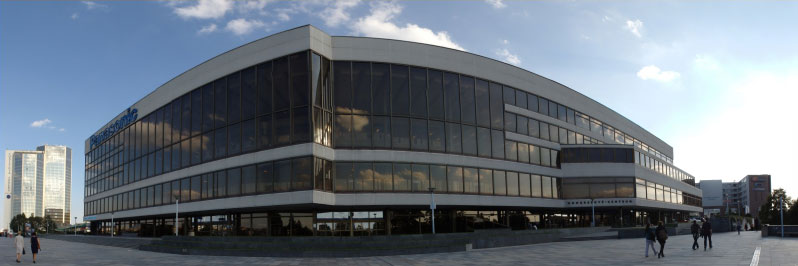
Prague Congress Centre (KCP)
5.května 65140 21 Prague 4
Czech Republic
Phone: +420 261 171 111
Website: www.kcp.cz