




How Neuropsychology Shapes Human Patient Care
Neuropsychology connects brain science with the realities of everyday life. Memory loss, slowed processing, emotional changes, and impaired judgment can alter a person’s independence, relationships, employment, and sense of identity. Effective care therefore requires more than identifying a damaged brain system; it requires understanding the individual living with its effects.
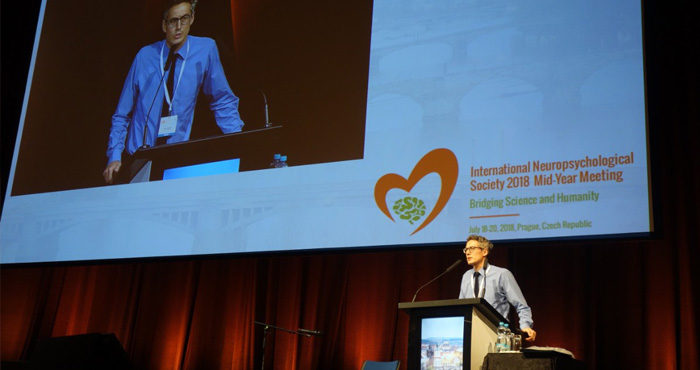
How Neuropsychology Informs Human Patient Care was a central concern of the INS 2018 meeting in Prague. The event brought together clinical researchers, practitioners, and educators to consider how assessment findings can support humane treatment, culturally responsive services, and practical decisions across hospitals, rehabilitation programs, and community settings.
A neuropsychological evaluation is most valuable when it turns complex cognitive data into meaningful guidance. Test performance can clarify what a patient can do, where support is needed, and how families and professionals can create conditions that promote safety, autonomy, and recovery.
From Test Scores To Lived Experience
Cognitive testing measures abilities such as attention, language, learning, memory, executive functioning, and visuospatial processing. These results help distinguish neurological disease from depression, fatigue, medication effects, developmental differences, or situational stress. Interpretation is strongest when scores are considered alongside medical history, education, work demands, culture, and the patient’s own account.
The goal is not to reduce a person to a profile of strengths and weaknesses. A clinician may use assessment findings to recommend written reminders, simplified instructions, extra processing time, supervised finances, or changes to a rehabilitation plan. Such recommendations translate scientific evidence into steps that can improve daily functioning.
Culture, Identity, And Clinical Context
Culture influences communication styles, educational opportunities, attitudes toward illness, and expectations about family responsibility. Language proficiency and familiarity with formal testing can also affect results. Neuropsychologists must therefore consider whether an apparent impairment reflects brain dysfunction, limited access to education, an unfamiliar task, or a mismatch between the patient and the assessment process.
Sensitive practice includes asking how symptoms are understood within the patient’s family and community. It also means using interpreters appropriately, selecting suitable measures, and explaining findings without jargon. When clinicians respect identity and context, patients are more likely to participate in treatment and families are better equipped to provide meaningful support.
Connecting Neuroscience With Care Decisions
Advances in neuroscience have improved understanding of neural networks, neurodegenerative conditions, traumatic brain injury, and recovery after stroke. Yet imaging and biological models rarely determine care by themselves. A scan may reveal an affected region, while a functional assessment shows how that change influences cooking, driving, medication management, or social judgment.
This combination of biological and behavioral evidence supports individualized planning. It can guide capacity evaluations, return-to-work decisions, school accommodations, rehabilitation goals, and risk management. The most useful clinical interpretation explains what the evidence means for the person’s next decision, not simply what it reveals about the brain.
| Clinical Focus | Neuropsychological Contribution | Human-Centered Outcome |
|---|---|---|
| Memory difficulties | Identifies encoding, storage, or retrieval problems | Practical reminders and better self-management |
| Executive dysfunction | Examines planning, inhibition, and flexible thinking | Safer routines and targeted supervision |
| Language change | Separates comprehension, expression, and word-retrieval issues | More effective communication strategies |
| Emotional symptoms | Considers mood, coping, and cognitive interaction | Integrated psychological and medical care |
| Functional capacity | Relates test findings to real-world demands | Informed decisions about independence and support |
Communication As A Clinical Intervention
The way results are delivered can influence adjustment, trust, and treatment engagement. Patients benefit from clear explanations that acknowledge abilities as well as limitations. A feedback session should make room for uncertainty, emotional responses, and questions about prognosis, while avoiding unnecessarily alarming language.
Families also need guidance that is specific and actionable. Instead of saying that a patient has “poor executive functioning,” a clinician might explain that multitasking is likely to cause errors and recommend completing one step at a time. This approach protects dignity while giving caregivers tools they can use immediately.
Ethical Practice And Patient Autonomy
Neuropsychological information can affect decisions about consent, guardianship, employment, driving, and financial management. Because the consequences may be significant, clinicians must distinguish cognitive impairment from incapacity. A person may struggle with complex planning yet still make informed choices about many areas of life.
Ethical care balances protection with autonomy. Recommendations should be proportionate to actual risk, regularly reviewed, and discussed with the patient whenever possible. Confidentiality, informed consent, cultural humility, and transparent documentation help ensure that assessment serves the patient rather than merely satisfying an institutional requirement.
Turning Evidence Into Everyday Support
The clinical value of neuropsychology grows when findings are shared across disciplines. Physicians, nurses, occupational therapists, speech-language pathologists, psychologists, educators, and social workers may each observe a different part of the patient’s functioning. Coordinated interpretation prevents contradictory advice and creates a more consistent care environment.
Professionals attending a meeting such as INS 2018 could also connect academic learning with the social and cultural setting of the host city through Prague cultural spots. Informal exchange can strengthen professional relationships, while the conference’s workshops and presentations offer structured opportunities to refine clinical practice.
Practical Principles For Patient-Centered Neuropsychology
- Begin with the patient’s goals, concerns, and everyday responsibilities.
- Interpret test results in light of culture, language, education, health, and context.
- Convert cognitive findings into specific strategies that families and care teams can apply.
- Revisit recommendations as recovery, disease progression, and living circumstances change.
- Communicate limitations honestly while identifying preserved abilities and realistic choices.
Neuropsychology makes its greatest contribution when rigorous assessment leads to compassionate action. By linking neuroscience with lived experience, clinicians can help patients preserve agency, adapt to change, and participate more fully in decisions about their care. Explore the educational resources and clinical themes associated with INS 2018 to keep building care that is scientifically grounded and distinctly human.
General Information
Important information about the meetingIndustry
Support and exhibition opportunitiesCzech Republic
Beautiful country situated in the very heart of EuropeContact
How can we help you?
Prague Congress Centre (KCP)
5.května 65140 21 Prague 4
Czech Republic
Phone: +420 261 171 111
Website: www.kcp.cz