




Neuropsychology of Decision Making in Health
Health decisions are shaped by memory, attention, emotion, language, social context, and the brain’s ability to evaluate risk. Neuropsychology helps explain why a person may understand medical information yet struggle to compare options, anticipate consequences, or follow a treatment plan.
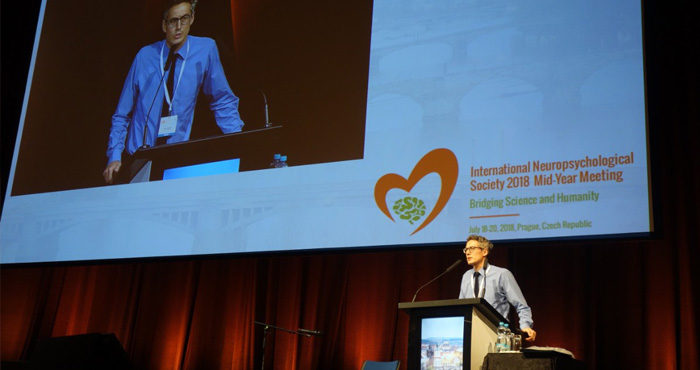
The International Neuropsychological Society’s 2018 mid-year meeting in Prague placed these issues within a humane clinical framework. Held from July 18–20, the event connected neuroscience and assessment research with patient care, cultural awareness, rehabilitation, and everyday medical practice.
The focus was especially relevant to clinicians working with acquired brain injury, dementia, psychiatric conditions, developmental disorders, and neurological disease. In each setting, the central question is practical: how can professionals support meaningful, ethically sound choices without confusing cognitive impairment with a lack of personal values?
Why cognitive function matters in medical choices
Decision-making depends on several interacting abilities rather than a single mental skill. Working memory allows patients to hold information in mind, while attention supports the comparison of alternatives. Executive functions help people inhibit impulsive responses, shift strategies, and organize a plan over time.
An individual can perform well on a brief memory test but still have difficulty with complex treatment decisions. Fatigue, pain, medication effects, depression, and unfamiliar terminology may reduce comprehension during a consultation. A neuropsychological evaluation therefore benefits from combining standardized measures with interviews, observation, and information about daily functioning.
Risk, emotion, and real-world judgment
People rarely make health choices through logic alone. Anxiety may make a low-probability complication feel immediate, while optimism can minimize serious risks. Changes in the frontal systems associated with reward sensitivity, inhibition, and future thinking may also affect consent, medication management, or willingness to accept rehabilitation.
Clinicians must distinguish an unconventional choice from an incapable one. Capacity is generally decision-specific and can change with treatment, communication support, sleep, or symptom stabilization. Presenting information in smaller units, checking understanding, and allowing time for reflection can reveal abilities that a pressured conversation hides.
From brain science to clinical practice
Neuroscience offers useful models of valuation, self-regulation, and social cognition, but laboratory findings cannot be transferred mechanically to the clinic. A patient’s family relationships, cultural expectations, health literacy, and previous experiences with medical institutions influence how information is interpreted.
The Prague meeting’s emphasis on cultural considerations is important because autonomy does not look identical in every community. Some patients prefer family involvement, while others place greater weight on individual privacy. Respectful assessment asks how the person normally makes significant choices and then protects their voice within the relevant legal and clinical boundaries.
| Clinical situation | Possible neuropsychological concern | Helpful response |
|---|---|---|
| New diagnosis or surgery | Reduced attention and information overload | Use plain language, pauses, and teach-back |
| Dementia assessment | Memory loss or impaired future planning | Repeat key points and document consistent preferences |
| Brain injury rehabilitation | Impulsivity or poor error awareness | Use structured choices and concrete consequences |
| Psychiatric treatment | Distorted risk appraisal or fluctuating insight | Reassess capacity as symptoms change |
| Long-term medication | Executive dysfunction and prospective memory problems | Provide routines, reminders, and caregiver support when appropriate |
Measuring capacity with compassion
A sound assessment examines whether the person can understand relevant facts, appreciate how they apply personally, reason through alternatives, and communicate a stable choice. These abilities should be tested with the actual decision in view, not inferred solely from a diagnosis or a low test score.
Communication style matters. Visual aids, interpreters, hearing support, simplified medication lists, and repeated sessions may improve performance without changing the underlying decision. The goal is to maximize supported decision-making before considering substitute decision processes.
Research themes for health professionals
Research in this area benefits from ecological tasks that resemble genuine medical choices. Computerized experiments can isolate reward learning or delay discounting, yet interviews, caregiver reports, and outcome data show whether those processes affect adherence and quality of life outside the laboratory.
Interdisciplinary exchange also strengthens the field. Neuropsychologists, neurologists, psychiatrists, nurses, ethicists, and rehabilitation specialists bring different perspectives on risk and independence. Professionals interested in broader conference programming and connected academic opportunities can review related events and meetings alongside the INS 2018 material.
Practical principles for better decisions
Clinical teams can translate neuropsychological evidence into small, consistent changes in routine care. The following practices support both autonomy and safety:
- Present one decision at a time, using concrete language and short written summaries.
- Ask the patient to explain the choice in their own words rather than relying on yes-or-no agreement.
- Separate the person’s values from the cognitive skills required to apply them.
- Reassess decision-making after changes in medication, delirium, mood, fatigue, or neurological status.
- Record the support provided, the patient’s reasoning, and the factors that may have influenced the decision.
A humane approach recognizes that decision-making is relational as well as cognitive. Good care creates the conditions in which patients can express preferences clearly, understand meaningful consequences, and participate in choices that affect their lives.
Explore the INS 2018 resources to connect neuropsychological science with ethical assessment, culturally responsive communication, and practical support for health decisions.
General Information
Important information about the meetingIndustry
Support and exhibition opportunitiesCzech Republic
Beautiful country situated in the very heart of EuropeContact
How can we help you?
Prague Congress Centre (KCP)
5.května 65140 21 Prague 4
Czech Republic
Phone: +420 261 171 111
Website: www.kcp.cz