


INS 2018 Program Highlights For Students
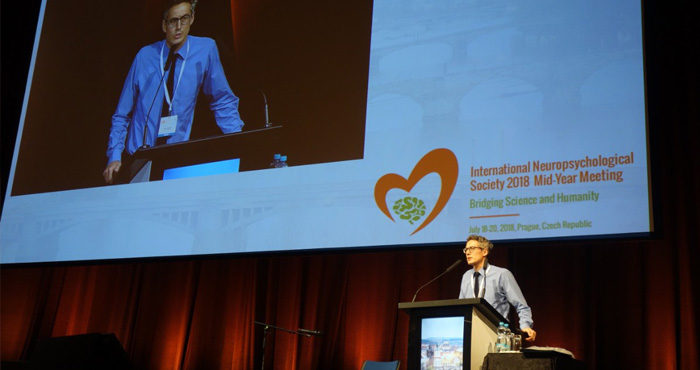
The International Neuropsychological Society mid-year meeting in Prague, held from July 18–20, 2018, offered students a concentrated view of contemporary neuropsychology. Its program connected laboratory discoveries with clinical judgment, humane care, cultural awareness, and practical training.
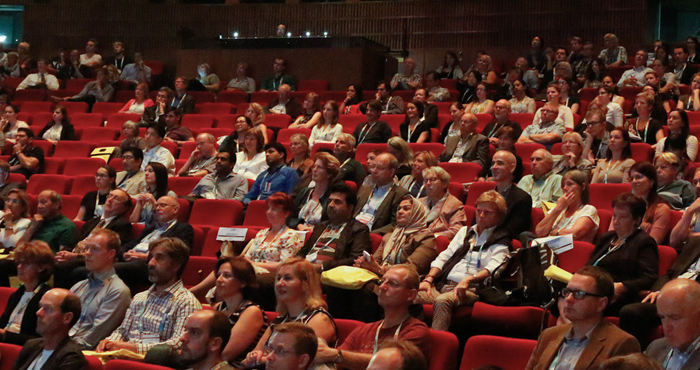
For students, the meeting was valuable because it brought several stages of professional development into one setting. Scientific sessions, poster presentations, continuing education workshops, and informal conversations created opportunities to learn how research becomes useful in hospitals, clinics, schools, and community services.
The archived conference materials also help students reconstruct the rhythm of the event. Reviewing the important dates gives context for registration, abstract preparation, and the planning tasks that shape participation in a major professional meeting.
Connecting Neuroscience With Patient Care
A central program theme was the relationship between neuroscience and real-world assessment. Students could follow how findings about brain systems, cognition, and behavior inform neuropsychological evaluation while still requiring careful attention to the individual patient.
This emphasis encouraged an integrated perspective. Rather than treating test scores or imaging results as isolated facts, presenters situated evidence within a person’s history, culture, language, medical condition, and everyday functioning.
Learning Through Scientific Sessions
The scientific program gave early-career attendees exposure to current questions in cognitive, clinical, and experimental neuropsychology. Talks and symposia could help students compare research methods, identify emerging debates, and recognize how different specialties address overlapping problems.
Attending a range of sessions was especially useful for students who had not yet selected a dissertation topic or clinical focus. A presentation on memory, executive function, rehabilitation, or neurological illness might reveal a new research direction or provide terminology for a literature search.
Posters As A Direct Learning Opportunity
Poster sessions offered a more personal format than large lectures. Students could examine research designs closely, ask focused questions, and discuss preliminary findings directly with investigators. These conversations often make complex methods easier to understand because the exchange can follow the visitor’s interests.
The poster area also demonstrated how a project is communicated visually. Clear objectives, concise figures, transparent methods, and restrained interpretation are essential skills for anyone preparing a thesis, conference abstract, or clinical research report.
| Program element | Value for students | Useful preparation |
|---|---|---|
| Scientific sessions | Broad exposure to current findings and methods | Read abstracts and mark priority talks |
| Poster presentations | Direct discussion with researchers | Prepare brief, specific questions |
| Continuing education workshops | Applied knowledge and professional development | Check prerequisites and learning goals |
| Cultural and clinical topics | More sensitive interpretation of patient data | Consider language, context, and access |
| Prague meeting activities | Networking beyond formal sessions | Carry a concise introduction and contact details |
Workshops For Practical Development
Continuing education workshops complemented the research program with applied instruction. These sessions were particularly relevant to students seeking a clearer connection between academic knowledge and professional practice, including assessment, intervention, ethics, and case formulation.
Workshop participation also encouraged active learning. Students could compare techniques, observe how experienced professionals explain difficult concepts, and consider how evidence-based practice must be adapted to a patient’s needs rather than applied mechanically.
Cultural Awareness In Clinical Work
The Prague meeting’s attention to cultural considerations was an important feature for students entering an increasingly international field. Neuropsychological measures are influenced by education, language, cultural expectations, and access to healthcare, so interpretation requires more than familiarity with normative data.
This perspective supports better clinical reasoning. Students can learn to question whether an observed difficulty reflects neurological change, limited educational opportunity, linguistic mismatch, emotional distress, or environmental barriers. Such caution helps protect patients from inaccurate conclusions.
Building A Professional Network
A mid-year meeting can be as valuable socially as academically. Students had opportunities to meet faculty members, postdoctoral researchers, clinicians, and peers who shared interests in neuropsychology. A brief conversation after a presentation could lead to advice about graduate training, research collaboration, or future conference participation.
Professional preparation also includes managing practical information. Students reviewing archived resources may find that journal access guidance supports follow-up reading after the meeting, especially when a presentation introduces an unfamiliar article, measure, or research group.
Making The Program Work For You
A student can gain more from a conference by setting a manageable plan before arriving. Select a few essential sessions, leave space for unexpected discoveries, and treat posters and workshops as central parts of the experience rather than optional extras.
Useful habits include:
- Read the schedule early and identify sessions linked to your research or clinical interests.
- Prepare two or three questions for presenters instead of trying to master every topic.
- Record unfamiliar measures, theories, and authors for later study.
- Introduce yourself briefly and explain your current academic or professional focus.
- Review notes each evening while the material is still fresh.
The INS 2018 program remains a useful model for student engagement: combine rigorous science with compassion, cultural humility, and practical curiosity. Explore the archived program, revisit the sessions that match your interests, and use those insights to shape your next research, training, or clinical step.
General Information
Important information about the meetingIndustry
Support and exhibition opportunitiesCzech Republic
Beautiful country situated in the very heart of EuropeContact
How can we help you?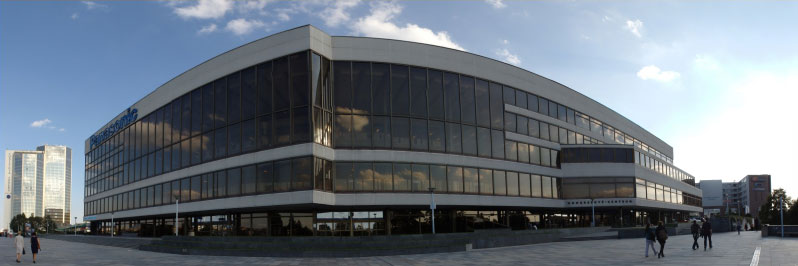
Prague Congress Centre (KCP)
5.května 65140 21 Prague 4
Czech Republic
Phone: +420 261 171 111
Website: www.kcp.cz