




How to Navigate the INS 2018 App and Schedule
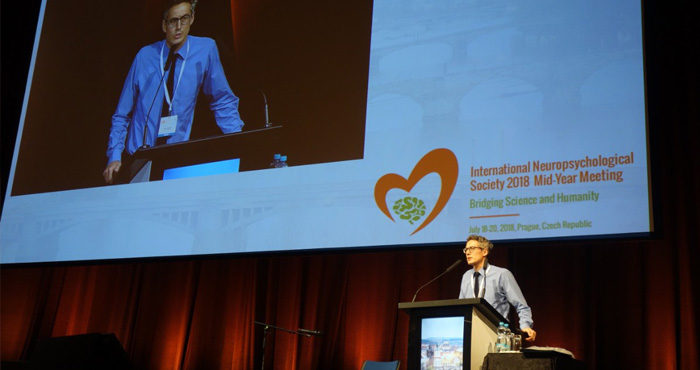
The INS 2018 meeting brought the International Neuropsychological Society to Prague from July 18–20, 2018. Its digital materials were designed to help attendees move between scientific sessions, clinical discussions, poster presentations, workshops, and practical travel information.
Whether you are reviewing the archived program on a phone or reconstructing your personal itinerary from the event pages, a clear navigation method saves time. The key is to begin with the overall schedule, filter sessions by interest, and then verify locations, continuing education details, and transport arrangements.
The Prague conference preview provides useful context before working through individual sessions. It helps connect the meeting’s central themes—neuroscience, patient care, culture, and clinical practice—with the program choices available to participants.
Start With The Main Program
Open the official INS 2018 site and locate the program or schedule area before selecting individual presentations. A broad view usually reveals the meeting’s daily rhythm, including opening events, plenary talks, symposia, poster periods, business meetings, and breaks.
Begin by scanning July 18, then July 19 and July 20. This prevents an early focus on one appealing presentation from causing conflicts later. Mark sessions that are essential, then add optional talks, workshops, or poster discussions around them.
Filter Sessions By Format
A conference schedule becomes easier to manage when activities are grouped by format. Plenary lectures offer broad subject coverage, while symposia usually concentrate on a defined research area. Paper sessions may provide shorter presentations, and poster sessions allow more direct discussion with researchers.
Continuing education workshops deserve separate attention because they may have different registration requirements, fees, room assignments, or attendance expectations. Check the session description carefully rather than assuming that every event follows the same access rules.
Build A Personal Daily Route
After choosing sessions, create a compact daily plan with the start time, title, speaker, room, and building or venue area. Leave space between activities for walking, registration questions, coffee breaks, and conversations that continue after a presentation.
A useful schedule view should answer three questions quickly: where you need to be, when you need to arrive, and what to do if two sessions overlap. When the app or online program supports favorites, bookmarks, or calendar entries, use those tools. If you are working from archived pages, save screenshots or copy essential details into your phone’s calendar.
| Planning Detail | What To Record | Why It Matters |
|---|---|---|
| Date and time | Start, finish, and any check-in time | Prevents late arrival |
| Session type | Plenary, symposium, poster, or workshop | Helps balance the day |
| Location | Room, floor, and venue area | Reduces travel confusion |
| Speakers | Chair, presenters, and authors | Makes follow-up easier |
| Credits or fees | CE rules and registration status | Avoids administrative problems |
Use Session Details Strategically
Session pages can provide more value than titles alone. Read abstracts, learning objectives, speaker information, and topic descriptions to decide whether an event matches your professional goals. Keywords such as memory, executive function, rehabilitation, dementia, assessment, culture, and developmental neuropsychology can help narrow a long program.
For poster presentations, record the poster number and display period as well as the title. Poster viewing is often time-sensitive, so placing it between larger sessions may be more effective than trying to find a free block at the end of the day.
Keep Practical Information Nearby
Schedule navigation works best when paired with venue and transport information. Confirm the meeting address, public transportation routes, nearby stations, and walking times before the first morning. Prague’s public transit network can make it possible to move efficiently, but a route check is still worthwhile when sessions begin early.
Keep registration instructions, workshop information, and emergency contact details accessible. The official conference website also brings together event resources such as poster listings, venue guidance, and the photo gallery, making it a useful reference when the schedule alone does not answer a practical question.
Prepare A Backup Viewing Method
Digital access can be affected by weak Wi-Fi, low battery, browser issues, or an interface that is difficult to use in a crowded conference corridor. Download important pages in advance, take screenshots of your daily route, and carry a short written backup with session times and rooms.
Review the plan each evening rather than relying on memory. Update changes caused by room moves, cancellations, or schedule adjustments, and remove sessions that no longer fit. This keeps the next day’s agenda readable and reduces unnecessary switching between pages.
Create A Reliable Conference Routine
- Select essential sessions before adding optional activities.
- Save room numbers, poster identifiers, and workshop requirements.
- Check transport and venue routes before each conference day.
- Keep offline copies of the schedule and registration details.
- Review the next day’s itinerary every evening.
Use these steps to turn the INS 2018 digital program into a practical field guide. Open the archived resources, choose your priority sessions, and assemble a daily route that leaves room for learning, discussion, and the human connections at the heart of neuropsychology.
General Information
Important information about the meetingIndustry
Support and exhibition opportunitiesCzech Republic
Beautiful country situated in the very heart of EuropeContact
How can we help you?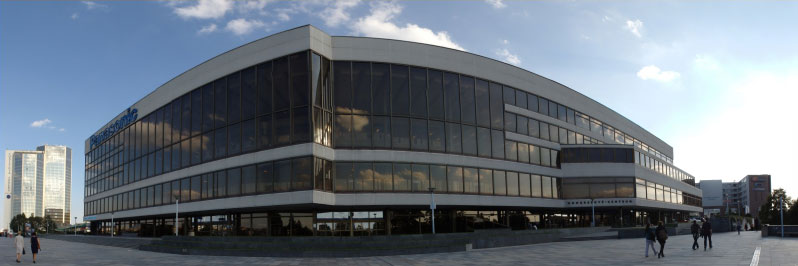
Prague Congress Centre (KCP)
5.května 65140 21 Prague 4
Czech Republic
Phone: +420 261 171 111
Website: www.kcp.cz