



Building Better Memory Clinics Across Cultures
Memory clinics sit at the intersection of diagnosis, treatment, research, and family support. Their work extends beyond identifying cognitive impairment: they help people understand changes in memory, preserve independence, and plan care with dignity.
Effective services share a commitment to evidence-based assessment and humane communication. They also adapt to local health systems, languages, cultural expectations, and available resources. The strongest models connect neuropsychologists, physicians, nurses, occupational therapists, social workers, and community organizations.
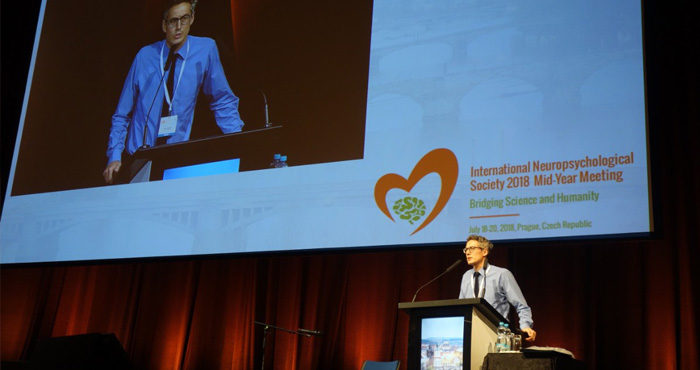
The 2018 International Neuropsychological Society meeting in Prague highlighted this relationship between scientific progress and clinical practice. Its emphasis on neuroscience, cultural considerations, and patient-centered care remains relevant to memory services developing or refining their programs today.
Define The Clinic Around Patient Needs
A memory clinic should offer a coordinated pathway rather than a series of disconnected appointments. Referral, triage, cognitive testing, medical evaluation, imaging, feedback, and follow-up need clear ownership. Patients should know what will happen next and how long each stage is likely to take.
The service model must reflect the population it serves. An urban specialist center may provide advanced imaging and subspecialty consultations, while a regional clinic may rely on telehealth, primary-care partnerships, or rotating professionals. Both can deliver high-quality care when responsibilities and escalation routes are explicit.
Assessment should begin with the person’s goals, history, and daily function. Cognitive scores matter, but they are most useful when interpreted alongside mood, sleep, hearing, medication use, education, occupational demands, and family observations.
Strengthen Assessment And Diagnosis
A thorough evaluation combines brief screening with targeted neuropsychological assessment. Tests should examine memory, attention, language, executive functioning, and visuospatial skills while allowing clinicians to identify patterns associated with neurodegenerative, vascular, psychiatric, metabolic, or medication-related conditions.
Clinics should use validated instruments and document their local norms. Translating a test word for word does not guarantee cultural validity. Education, literacy, bilingualism, migration history, and familiarity with testing situations can all affect performance and must inform interpretation.
Diagnostic feedback is a clinical intervention in its own right. Clinicians should explain findings in plain language, distinguish established facts from uncertainty, and provide practical next steps. Written summaries, visual aids, interpreter access, and a scheduled follow-up can make difficult information more manageable.
Connect Cognitive Reserve With Healthy Aging
Prevention and risk reduction belong within the memory-clinic conversation. Physical activity, vascular health, hearing care, sleep quality, social engagement, and continued learning can support cognitive health even when they cannot eliminate dementia risk.
Research discussed through the Prague meeting also examined cognitive reserve and aging, a useful framework for explaining why people with similar brain changes may show different levels of everyday functioning. Clinicians can use this concept to promote realistic, individualized strategies rather than promising a single protective solution.
Care plans should turn general advice into measurable actions. A patient might receive support to manage blood pressure, begin supervised exercise, review medicines with a pharmacist, or join a community activity. Progress can then be revisited at follow-up.
Make Care Culturally Responsive
Cultural competence is not a checklist completed after clinical training. It is an ongoing practice of asking how people understand memory loss, who participates in decisions, and which forms of support are acceptable or accessible.
Family involvement varies widely. Some patients expect relatives to guide decisions, while others prioritize individual autonomy. Clinics should obtain consent before sharing information, use professional interpreters when needed, and avoid relying on children or untrained relatives to translate sensitive discussions.
Services should monitor whether referral, testing, diagnosis, and follow-up are equitable. Differences in attendance or diagnostic rates may reflect transport barriers, cost, stigma, language, digital exclusion, or limited trust in healthcare. Data can help leaders address these obstacles rather than misreading them as lack of patient interest.
Compare Models Of Service Delivery
No single international model fits every healthcare system. The relevant question is whether a clinic reliably provides timely assessment, coordinated treatment, caregiver support, and communication with primary care.
| Clinic model | Key strengths | Common limitations | Useful quality measures |
|---|---|---|---|
| Hospital-based specialist clinic | Advanced diagnostics and multidisciplinary expertise | Long waits and travel demands | Time to assessment, diagnostic clarity |
| Community memory service | Accessible location and strong local partnerships | Fewer specialist resources | Referral completion, patient reach |
| Primary-care integrated model | Early identification and continuity | Training and workload pressures | Follow-up rates, care-plan completion |
| Telehealth-supported clinic | Wider geographic access and flexible review | Technology and privacy barriers | Attendance, usability, clinical safety |
A blended approach can combine specialist oversight with local delivery. Virtual case conferences, shared records, standardized referral criteria, and professional education help smaller services access expertise without moving every patient to a tertiary center.
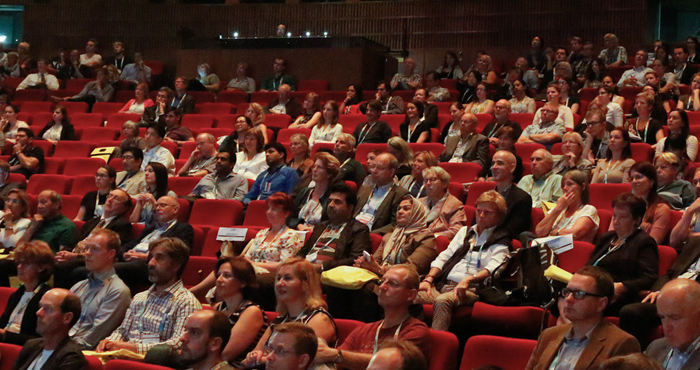
The INS 2018 conference site preserves the broader setting in which neuropsychology professionals explored scientific advances, clinical methods, continuing education, and humane patient care. That same exchange of ideas can guide collaboration between memory services across countries.
Build A Reliable Quality Framework
Quality improvement should be visible in routine operations. Clinics can track waiting times, missed appointments, assessment completion, diagnostic turnaround, caregiver experience, and whether patients receive understandable written plans. Measures should support learning rather than punish teams for serving complex populations.
Governance also matters. Staff need procedures for capacity assessment, safeguarding, driving concerns, medication risks, consent, data protection, and urgent psychiatric or neurological symptoms. Regular case review can identify gaps and reduce variation between clinicians.
Practical priorities for a developing or established service include:
- Create a clear referral pathway with urgency criteria and named clinical responsibility.
- Use culturally appropriate assessment tools supported by local validation and interpreter protocols.
- Provide every patient and caregiver with a plain-language feedback summary and action plan.
- Track access, outcomes, patient experience, and equity across demographic groups.
- Establish partnerships with primary care, social services, rehabilitation providers, and community organizations.
Turn Evidence Into Everyday Care
Memory clinics are strongest when scientific knowledge becomes understandable, coordinated, and useful in daily life. A service that combines careful diagnosis with respect for culture, family priorities, and practical constraints can improve confidence even when treatment options remain limited.
Use these principles to review your clinic’s pathway, identify one measurable gap, and bring the relevant disciplines together around a focused improvement project. Continued exchange through professional education and international neuropsychology networks can help translate promising research into compassionate care.
General Information
Important information about the meetingIndustry
Support and exhibition opportunitiesCzech Republic
Beautiful country situated in the very heart of EuropeContact
How can we help you?
Prague Congress Centre (KCP)
5.května 65140 21 Prague 4
Czech Republic
Phone: +420 261 171 111
Website: www.kcp.cz