



Early Career Tips from INS 2018 Mentors
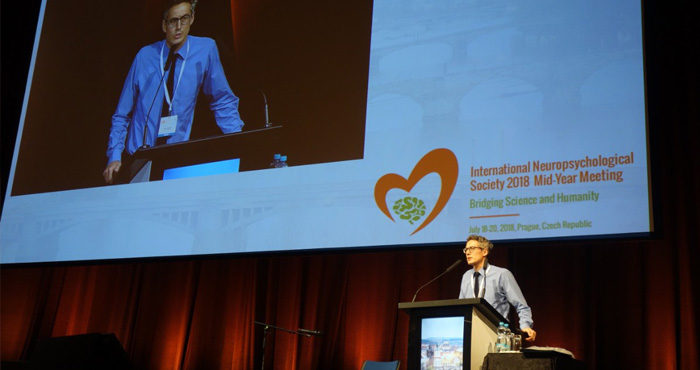
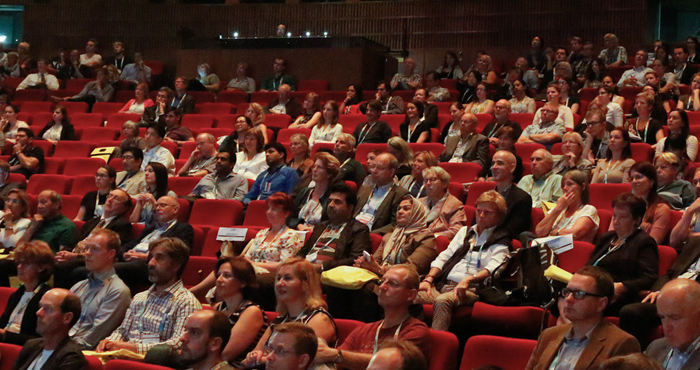
The INS 2018 meeting in Prague brought together researchers, clinicians, educators, and students around a shared challenge: translating advances in neuropsychology into humane, culturally responsive patient care. For professionals at the beginning of their careers, the value of such a gathering extended well beyond lectures and poster sessions.
Early Career Tips from INS 2018 Mentors can still guide trainees today. The strongest advice usually concerns habits rather than prestige: ask better questions, seek thoughtful supervision, communicate clearly, and connect scientific evidence with the lived experience of patients and families.
A mid-year conference also offers a useful model for professional development. Its workshops, clinical discussions, neuroscience presentations, and informal conversations show how an emerging neuropsychologist can build expertise while remaining grounded, curious, and ethically attentive.
Learn With Purpose
Mentors often encourage early-career professionals to attend sessions with a specific learning objective. Rather than trying to absorb every presentation, choose a theme that connects with your current training: executive functioning, pediatric assessment, rehabilitation, dementia, cross-cultural practice, or research methods.
Before a session, write down one question you hope the speaker will address. Afterward, record one finding, one practical implication, and one point that needs further investigation. This simple routine turns passive attendance into active professional learning and creates notes that can support later supervision or research planning.
Build Relationships Through Specificity
Approaching an established researcher can feel intimidating, particularly when a conference is crowded with senior figures. A focused introduction is more effective than a broad request for career guidance. Briefly explain your current role, identify a presentation or paper that interested you, and ask about a defined issue.
Mentorship develops through repeated, purposeful contact. Send a concise follow-up message, mention the conversation accurately, and share progress when appropriate. A mentor may eventually offer research collaboration, feedback on a manuscript, or advice about clinical training, but trust usually begins with reliability and genuine intellectual interest.
Connect Evidence With Patient Experience
Neuropsychological assessment is strongest when test scores are interpreted within a person’s developmental, medical, linguistic, and social context. Early professionals should practice explaining what an assessment finding means for daily life, treatment planning, education, employment, or family communication.
Reading beyond a single specialty can deepen that skill. Resources such as pediatric assessment research demonstrate how technical advances can be connected to developmental differences and clinical decision-making. The broader lesson is to ask how evidence changes care, not simply whether a result is statistically significant.
Make Cultural Responsiveness Practical
Cultural competence is more than memorizing differences between groups. It involves examining assumptions, selecting measures carefully, understanding language and educational background, and recognizing when available norms may not represent the person being assessed.
A mentor’s practical advice may include consulting interpreters appropriately, documenting limitations transparently, and discussing uncertainty without making a patient feel responsible for weaknesses in the assessment system. These behaviors protect validity while also reinforcing dignity and collaboration.
For attendees planning their visit, practical details can support professional focus. Knowing where to stay, how to travel between sessions, and how to manage breaks reduces unnecessary stress; the Hotel Coronet details reflect the kind of logistical planning that helps participants remain engaged throughout a demanding meeting.
Turn Conference Advice Into Weekly Practice
The most useful conference insight is one that survives after the program ends. Convert broad guidance into a small behavior that can be repeated during placement, laboratory work, or clinical supervision. The following framework can help connect professional goals with measurable actions:
| Career Focus | Weekly Action | Evidence of Progress |
|---|---|---|
| Clinical reasoning | Write one case formulation | Clear links between data and recommendations |
| Research literacy | Read and summarize one study | A growing record of methods and limitations |
| Communication | Practice explaining one result plainly | Feedback from a supervisor or colleague |
| Mentorship | Contact one professional thoughtfully | A continuing exchange rather than a single request |
Review these actions at the end of each month. If a task repeatedly fails to fit your schedule, make it smaller rather than abandoning the goal. Sustainable development comes from consistent reflection and adjustment.
Protect Your Professional Foundations
Early career growth can become overly focused on publication counts, conference visibility, or securing the next position. Those achievements matter, but mentors also emphasize fundamentals: accurate documentation, responsible data handling, timely communication, and respect for boundaries.
A strong reputation is built in ordinary moments. Arriving prepared, acknowledging uncertainty, accepting correction, and giving credit to collaborators signal maturity. These qualities support both clinical safety and productive research relationships.
Carry the Learning Forward
Use the spirit of the Prague meeting as a continuing practice rather than a past event. Revisit your notes, identify people whose work remains relevant, and connect one conference idea to a current case, project, or training objective.
- Schedule a monthly discussion with a supervisor or peer.
- Keep a brief evidence-and-practice journal.
- Follow researchers whose work aligns with your developing interests.
- Volunteer for a project that strengthens a specific skill.
- Reassess your goals each quarter using concrete examples.
Professional growth becomes clearer when reflection leads to action. Choose one recommendation this week, document what you learn, and let each careful step build the clinical judgment, scientific curiosity, and humane perspective that define excellent neuropsychological practice.
General Information
Important information about the meetingIndustry
Support and exhibition opportunitiesCzech Republic
Beautiful country situated in the very heart of EuropeContact
How can we help you?
Prague Congress Centre (KCP)
5.května 65140 21 Prague 4
Czech Republic
Phone: +420 261 171 111
Website: www.kcp.cz