




Workshop On Differential Diagnosis In Neuropsychology
Neuropsychological assessment often begins with overlapping symptoms: memory loss, slowed processing, poor attention, language difficulties, mood changes, or altered behavior. The same clinical presentation may reflect neurological disease, psychiatric conditions, developmental differences, medication effects, sleep disruption, or a combination of factors.
A focused workshop on differential diagnosis gives clinicians a structured way to move from observed behavior to defensible clinical hypotheses. It connects cognitive testing with medical history, functional evidence, cultural background, and the realities of patient care.
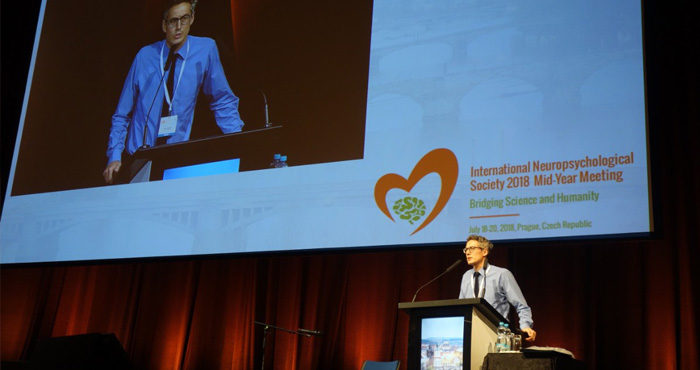
Held during the International Neuropsychological Society mid-year meeting in Prague from July 18–20, 2018, this program reflected the meeting’s broader goal of linking scientific advances with humane and culturally responsive practice.
Why Differential Diagnosis Matters
Differential diagnosis in neuropsychology is more than assigning scores to cognitive domains. It involves identifying meaningful patterns, judging the reliability of available information, and deciding which explanations best fit the patient’s history and everyday functioning.
A person with impaired concentration may have traumatic brain injury, depression, attention-deficit/hyperactivity disorder, epilepsy, or a sleep disorder. Similarly, memory complaints can arise from dementia, anxiety, normal aging, medication use, or inefficient learning strategies. Clinical reasoning helps prevent premature conclusions and guides appropriate referrals.
From Symptoms To Clinical Hypotheses
Effective assessment starts before formal testing. Referral questions, collateral reports, neurological findings, education, occupation, language, and premorbid abilities all shape interpretation. The clinician must determine whether the test profile represents genuine impairment, variable engagement, longstanding weakness, or a new decline.
The workshop’s emphasis on diagnostic reasoning is especially relevant when test results are mixed. Executive dysfunction may influence memory performance, while slowed processing can make language or visuospatial tasks appear weaker than expected. Examining relationships among scores is therefore as important as reviewing isolated results.
Learning Through Clinical Comparison
A neuropsychology training session focused on diagnostic formulation can help practitioners compare competing explanations rather than relying on a single hallmark score. Useful methods include pattern analysis, base-rate awareness, validity assessment, and integration of test data with functional observations.
Participants can also consider how diagnosis influences treatment planning. A recommendation for cognitive rehabilitation, psychotherapy, medical follow-up, academic support, or family education should follow from a clear understanding of the factors affecting performance.
Assessment Pathways In Practice
Different clinical questions call for different combinations of interviews, behavioral observations, standardized measures, and records review. The most efficient pathway is not always the longest assessment; it is the one that answers the referral question with sufficient reliability and clinical relevance.
| Clinical concern | Evidence to integrate | Key diagnostic consideration |
|---|---|---|
| Memory decline | Learning curve, delayed recall, recognition, informant report | Neurological disease versus mood, sleep, or retrieval factors |
| Attention problems | Processing speed, sustained attention, history, behavior | Developmental pattern versus acquired impairment |
| Executive changes | Planning, inhibition, flexibility, daily functioning | Frontal-subcortical dysfunction versus emotional distress |
| Language difficulty | Naming, fluency, comprehension, education, language background | Aphasia versus cultural or educational influences |
| Inconsistent performance | Validity indicators, effort, fatigue, symptom context | Interpretation of results before diagnostic formulation |
A strong formulation explains both weaknesses and preserved abilities. It also communicates uncertainty honestly, especially when symptoms are evolving or when medical information remains incomplete.
Culture, Context, And Patient Care
Cultural and linguistic factors can affect test performance, symptom descriptions, communication style, and expectations about treatment. A culturally informed neuropsychological evaluation avoids treating unfamiliarity with a test format as evidence of disease.
Humane care also requires attention to the patient’s lived experience. Diagnostic language should be understandable, respectful, and connected to practical support. The meeting’s focus on bridging neuroscience and clinical practice provided an appropriate setting for examining these responsibilities.
Attendees planning their participation could review the conference important dates to coordinate registration, workshop selection, and travel arrangements.
Preparing For A Productive Session
Before attending, clinicians and trainees can identify a case that raises genuine diagnostic uncertainty. Bringing a structured question makes it easier to connect workshop concepts with assessment practice.
Useful preparation may include:
- Review common cognitive profiles associated with neurological and psychiatric conditions.
- Revisit principles of performance validity and symptom validity assessment.
- Consider how language, education, age, and culture affect normative interpretation.
- Prepare to distinguish test findings from functional consequences.
- Note questions about communicating uncertainty to patients and families.
The most valuable learning often comes from comparing reasoning styles across disciplines. Neuropsychologists, neurologists, psychologists, researchers, and students may approach the same evidence differently, creating opportunities for careful discussion and refinement.
Meeting In Prague
The Prague meeting combined scientific programming with practical access to workshops, poster presentations, continuing education, and professional networking. Its setting encouraged discussion across research and clinical communities while offering attendees a chance to explore a historic European city.
For participants arranging accommodation near the conference activities, the Holiday Inn reservation information supported simpler travel planning. Convenient lodging can leave more time for early sessions, informal conversations, and review of the scientific program.
Differential diagnosis remains central to responsible neuropsychological practice because it connects measurement with meaning. Sessions devoted to this subject help clinicians interpret complexity carefully and translate evidence into compassionate, useful recommendations.
Review the program materials, plan your learning goals, and use the Prague meeting resources to deepen your approach to cognitive assessment and clinical formulation.
General Information
Important information about the meetingIndustry
Support and exhibition opportunitiesCzech Republic
Beautiful country situated in the very heart of EuropeContact
How can we help you?
Prague Congress Centre (KCP)
5.května 65140 21 Prague 4
Czech Republic
Phone: +420 261 171 111
Website: www.kcp.cz