




Neuropsychology Of Pain And Its Clinical Implications
Pain is both a sensory experience and a complex neuropsychological event. Its intensity, persistence, and impact on daily life are shaped by attention, emotion, memory, expectations, sleep, social context, and the meaning a person assigns to symptoms. For clinicians, this means that effective assessment must extend beyond tissue damage or a single pain score.
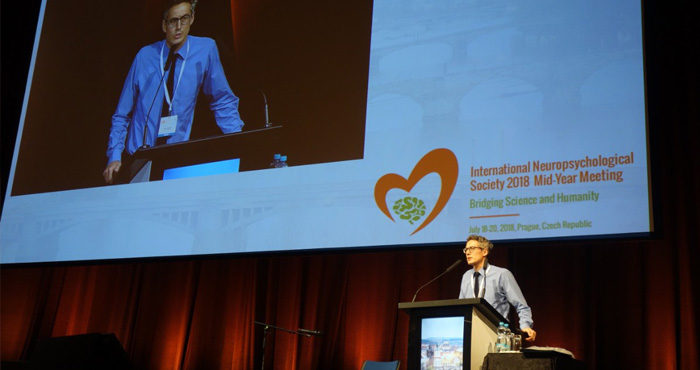
The International Neuropsychological Society’s 2018 mid-year meeting in Prague placed scientific progress alongside humane patient care. Its emphasis on neuroscience, cultural awareness, and clinical practice offers a useful framework for understanding how cognitive and emotional processes influence pain-related disability.
The conference materials remain a valuable reference for professionals exploring chronic pain, acquired brain conditions, rehabilitation, and patient-centered neuropsychological services. The INS 2018 meeting site also provides the wider setting, including program information, poster listings, workshops, and Prague venue guidance.
Pain As A Brain-Behavior Experience
Nociception refers to the neural processing of potentially harmful stimuli, while pain is the conscious experience that emerges from multiple interacting systems. These systems include sensory discrimination, threat appraisal, memory, attention, motivation, and autonomic arousal. Consequently, pain severity cannot always be inferred from imaging, physical findings, or the apparent size of an injury.
Chronic pain may involve central sensitization, in which the nervous system becomes increasingly responsive to stimulation. Patients can experience allodynia, hyperalgesia, fatigue, concentration problems, and disturbed sleep. A neuropsychological formulation helps distinguish these symptoms from assumptions that pain is either entirely physical or “just psychological.”
Clinical Assessment Beyond The Pain Scale
A comprehensive evaluation considers pain location, duration, triggers, variability, medication use, sleep quality, mood, cognition, activity patterns, and occupational effects. Clinicians may also examine catastrophizing, fear avoidance, illness beliefs, trauma history, and the patient’s confidence in managing symptoms. Standardized measures can support this process, but they should complement a detailed interview rather than replace it.
Attention and executive functioning are especially relevant. Persistent pain competes for cognitive resources, making planning, working memory, processing speed, and sustained attention feel less reliable. Assessment should therefore consider whether cognitive complaints reflect pain interference, medication effects, depression, sleep loss, neurological disease, or a combination of factors.
Cultural And Interpersonal Context
Pain behavior is interpreted through cultural expectations, language, family roles, religious beliefs, and previous experiences with healthcare. A quiet presentation does not necessarily indicate low distress, while expressive communication does not prove exaggeration. Cross-cultural assessment requires qualified interpreters when needed and careful attention to the patient’s own description of suffering and recovery.
The therapeutic relationship is also clinically significant. Validation does not mean confirming every fear or predicting permanent disability; it means acknowledging that the experience is real while explaining the mechanisms that can maintain it. Clear education about the brain’s protective systems can reduce shame and create a shared basis for rehabilitation.
Translating Neuroscience Into Care
A biopsychosocial approach connects neurological mechanisms with practical treatment. Depending on the individual, care may involve graded activity, cognitive behavioral therapy, acceptance-based interventions, sleep treatment, medication review, physical rehabilitation, occupational support, and strategies for regulating attention or arousal.
Education is most effective when it is specific and collaborative. Explaining central sensitization, threat detection, pacing, and flare management in accessible language can help patients replace an injury-only model with a more flexible understanding of symptoms. Progress should be measured through meaningful activities, participation, confidence, and quality of life, rather than pain intensity alone.
| Clinical focus | Neuropsychological question | Possible implication |
|---|---|---|
| Attention | How strongly does pain capture mental resources? | Use pacing, distraction, and attentional retraining |
| Emotion | Are anxiety, low mood, or threat expectations amplifying disability? | Integrate psychological treatment and emotional regulation |
| Memory | What prior experiences shape current pain predictions? | Explore learning history and revise unhelpful expectations |
| Executive function | Can the patient plan, monitor, and sustain rehabilitation tasks? | Simplify routines and provide external supports |
| Social context | How do family, work, and culture influence coping? | Include communication and participation goals |
Implications For Neuropsychological Practice
Neuropsychologists can contribute at several stages, from differential assessment to treatment planning and outcome monitoring. Their expertise is particularly useful when pain co-occurs with traumatic brain injury, stroke, multiple sclerosis, dementia, or other neurological conditions. In these cases, pain-related cognitive complaints must be interpreted within the broader pattern of neurological functioning.
Interdisciplinary communication is essential. Physicians, psychologists, physiotherapists, occupational therapists, nurses, and social workers may each observe different aspects of disability. A shared formulation prevents fragmented care and supports consistent language about activity, medication, risk, and recovery.
Practical Recommendations For Clinicians
A focused approach can improve both assessment quality and patient engagement:
- Ask how pain affects valued roles, routines, sleep, attention, and relationships.
- Separate pain intensity from pain-related interference and functional loss.
- Screen for depression, anxiety, trauma symptoms, medication effects, and sleep disorders.
- Explain pain neuroscience without dismissing tissue pathology or patient concerns.
- Set gradual, measurable goals linked to participation and everyday independence.
Conference participation also depends on practical planning. For attendees reviewing the Prague meeting’s logistical archive, Prague hotel reservations offer context for the original venue and accommodation arrangements, alongside the site’s public transport and program information.
The 2018 meeting’s central value lies in connecting laboratory findings with compassionate clinical judgment. Its perspective encourages professionals to treat pain as a dynamic interaction between nervous system function, cognition, emotion, behavior, and culture. Explore the archived program, posters, workshops, and clinical themes to extend that perspective into current neuropsychological assessment and rehabilitation practice.
General Information
Important information about the meetingIndustry
Support and exhibition opportunitiesCzech Republic
Beautiful country situated in the very heart of EuropeContact
How can we help you?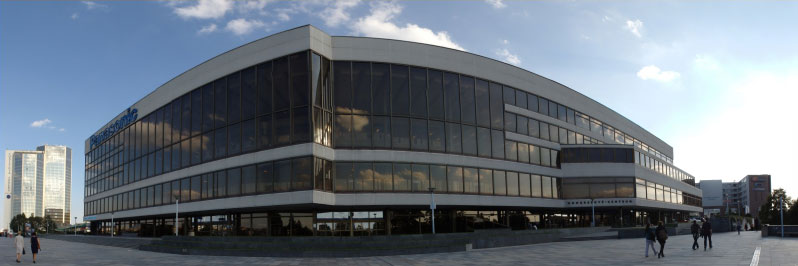
Prague Congress Centre (KCP)
5.května 65140 21 Prague 4
Czech Republic
Phone: +420 261 171 111
Website: www.kcp.cz