


INS 2018 networking: building professional connections
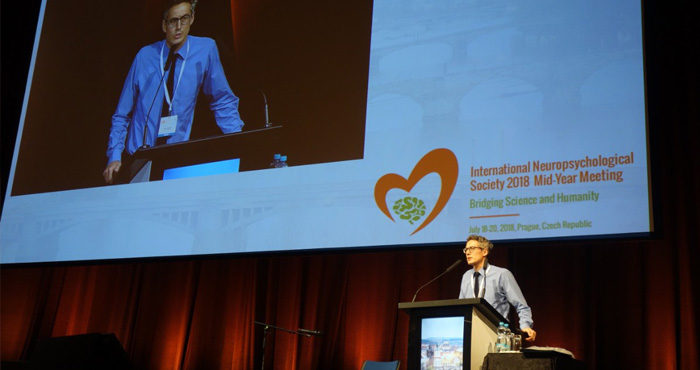
Professional relationships in neuropsychology grow through sustained exchange: a thoughtful question after a presentation, a shared interest in culturally responsive assessment, or a conversation about how research can improve daily patient care. The International Neuropsychological Society mid-year meeting in Prague created many such opportunities from July 18–20, 2018.
The meeting brought together researchers, clinicians, students, and educators around a common goal: connecting scientific progress with humane practice. Its program, poster sessions, continuing education workshops, and informal social moments offered several routes into the professional community.
Although the event has passed, its networking model remains useful. Meaningful connections are built when people exchange practical knowledge, recognize complementary expertise, and follow up with enough purpose to turn a brief introduction into an ongoing collaboration.
Start with shared scientific interests
A strong conference conversation usually begins with a specific point of common ground. Attendees could use the INS 2018 program and poster listings to identify researchers working in neurocognitive rehabilitation, brain injury, dementia, developmental conditions, or culturally informed neuropsychological care before approaching them.
Specificity makes an introduction easier and more memorable. Mentioning a poster finding, workshop topic, or clinical challenge creates a natural opening and signals genuine engagement. Rather than trying to meet everyone, participants could focus on a small group of professionals whose methods or patient populations aligned with their own work.
Connect research with clinical practice
The conference emphasized the relationship between neuroscience and patient-centered care. That emphasis gave researchers and practitioners a useful basis for discussion: how laboratory findings influence assessment, how clinical observations refine research questions, and how cultural context affects interpretation of cognitive data.
A conversation about predicting recovery could lead beyond technical methods into questions about prognosis, family communication, rehabilitation planning, and ethical use of biomarkers. These broader exchanges are often where professional networking becomes intellectually valuable rather than purely transactional.
Use posters and workshops as conversation hubs
Poster sessions are especially effective for building connections because they encourage focused, informal discussion. A presenter can explain a study in a few minutes, while a visitor can ask about recruitment, measures, limitations, or future applications. Students and early-career professionals may find this format less intimidating than approaching a senior speaker after a large lecture.
Continuing education workshops offered another practical setting. Shared participation in a workshop creates a ready-made network around a skill, such as assessment, intervention, or evidence-based decision-making. Comparing how different institutions apply the same technique can reveal potential mentors, referral partners, and collaborators.
| Networking setting | Best conversation focus | Useful follow-up |
|---|---|---|
| Poster session | Methods, findings, and future research | Send a specific comment or related paper |
| Education workshop | Practical skills and clinical implementation | Exchange resources or discuss training |
| Main presentation | A major idea or unresolved question | Reference the talk in a short message |
| Prague social gathering | Career paths and shared interests | Arrange a focused professional call |
| Online conference materials | Program themes and missed sessions | Reconnect around a relevant topic |
Make cultural awareness part of the exchange
Meeting in Prague placed cultural considerations within the wider experience of the event. Travel, language, public transport, and the historic setting all reminded attendees that neuropsychological practice operates within particular communities and systems. Networking benefits when professionals remain attentive to those differences.
Cultural humility can shape even a short professional conversation. Asking how a colleague adapts cognitive assessment for multilingual patients, different educational backgrounds, or local health systems invites exchange without assuming that one model applies everywhere. Such conversations can lead to more careful research partnerships and better clinical reasoning.
Turn brief meetings into durable relationships
A new contact becomes meaningful through timely, personalized follow-up. Within a few days of meeting, a professional might send a concise message that recalls the specific discussion, names a shared interest, and proposes one reasonable next step. That step could be sharing an article, attending a webinar, reviewing a research idea, or arranging a short call.
Useful networking habits include:
- Keep brief notes about each person’s role, interests, and proposed follow-up.
- Share a relevant resource instead of sending a generic message.
- Offer a concrete contribution, such as feedback, data expertise, or a referral.
- Set a reminder to reconnect after several weeks or months.
- Maintain professional relationships through occasional, relevant updates.
Consistency matters more than volume. A small network of trusted colleagues can support consultation, interdisciplinary referrals, research design, and career development more effectively than a long list of unexamined contacts.
Let Prague remain part of the professional story
The venue, transport guidance, and photo gallery were practical parts of the INS 2018 experience, yet they also helped create shared memories. Conversations during a walk between sessions, over coffee, or while navigating the city often made professional relationships feel more personal and authentic.
That sense of place can be carried forward through thoughtful storytelling. Referring to a memorable workshop, a poster discussion, or an insight gained in Prague gives later communication a distinct point of connection. Professionals can revisit the meeting’s themes by contacting former colleagues, sharing relevant research, and creating new opportunities for neuropsychological collaboration.
Reach out to one person from the INS 2018 community, mention the idea that stayed with you, and propose a practical next step. A focused message can reopen a valuable connection and turn a past conference encounter into continuing professional exchange.
General Information
Important information about the meetingIndustry
Support and exhibition opportunitiesCzech Republic
Beautiful country situated in the very heart of EuropeContact
How can we help you?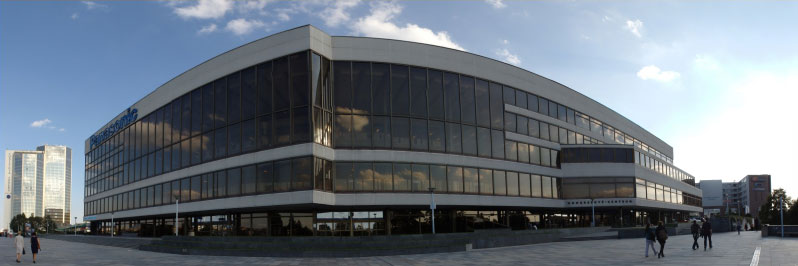
Prague Congress Centre (KCP)
5.května 65140 21 Prague 4
Czech Republic
Phone: +420 261 171 111
Website: www.kcp.cz