




How to Choose a Poster for Your Research at INS 2018
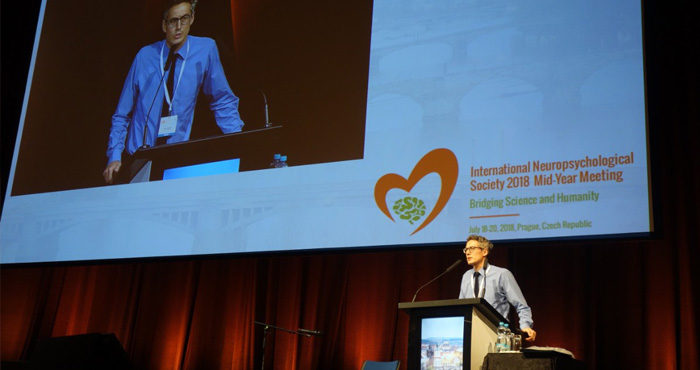
Selecting the right research poster for INS 2018 meant doing more than presenting the newest dataset. The meeting in Prague brought together advances in neuropsychology, neuroscience, clinical practice, cultural awareness, and humane patient care. A strong submission should connect clearly with that broader purpose.
The best poster choice is usually the project with a focused question, defensible methods, and a message that colleagues can understand quickly. Whether the work concerns assessment, rehabilitation, cognition, brain-behavior relationships, or patient outcomes, its value should be visible within the first few moments of viewing.
It also helped to think about the people who would stand in front of the poster. A specialist may appreciate technical detail, while a clinician, trainee, or researcher from another country may need a clearer explanation of practical relevance. Designing for this mixed audience made the research more approachable and memorable.
Match The Project To The Meeting
Begin by identifying the study’s strongest connection to the conference themes. A laboratory finding can be especially suitable when it clarifies clinical assessment. A clinical case series may be more compelling when it demonstrates how cultural or social factors affect interpretation. The goal is a meaningful bridge between scientific evidence and patient-centered practice.
Avoid choosing a project simply because it has the largest sample or the most complicated analysis. A smaller study with a precise question and honest limitations can produce a better poster than a broad project with several unfinished arguments. Select one central contribution and let every section support it.
Read The Poster Listings Strategically
The INS 2018 program and poster listings could help reveal the meeting’s intellectual range. Review related titles and abstracts, then consider where your project would add something distinct. If several posters addressed the same population or test, your abstract needed a clear point of difference.
A useful distinction is between a study that repeats an established result and one that changes how the result may be understood or used. Novel data are valuable, but so are cross-cultural comparisons, methodological improvements, longitudinal findings, and evidence that informs real clinical decisions.
Evaluate The Message And Audience
Write the main conclusion in one sentence before committing to a poster. If the sentence contains several unrelated findings, the project may need a narrower focus. A visitor should be able to identify the research question, method, principal result, and implication without reading every paragraph.
Consider who might benefit from the work at a neuropsychology meeting. A poster about a screening tool should explain its usefulness and limits. A neuroscience project should clarify its behavioral or clinical meaning. Research involving diverse populations should describe cultural context responsibly rather than treating it as a minor demographic detail.
Balance Evidence With Visual Clarity
A suitable poster has enough evidence to support its claims without becoming a compressed journal article. Prioritize one or two important figures, use readable labels, and replace dense prose with short explanatory blocks. Statistical results should be accurate, but they should also guide the viewer toward the interpretation.
The table below offers a practical way to compare possible projects before selecting one for presentation.
| Selection criterion | Strong candidate | Warning sign |
|---|---|---|
| Research question | Specific and easy to state | Several questions compete |
| Contribution | Adds clinical, scientific, or cultural insight | Repeats familiar findings |
| Evidence | Methods and results are complete | Key analyses are unfinished |
| Audience value | Useful to researchers and practitioners | Relevant only to a very narrow debate |
| Poster design | One clear visual narrative | Excessive text and disconnected figures |
| Discussion potential | Invites thoughtful questions | Conclusion leaves little to discuss |
Consider Timing, Travel, And Conversation
A poster is also a social research format. Choose work that you can explain confidently in a brief conversation and defend with appropriate detail when someone asks about sampling, measurement, or limitations. Prepare a short verbal summary, followed by a longer explanation for visitors who want to explore the methods.
Practical planning mattered in Prague as well. Reviewing the conference venue, presentation schedule, and public transport tips could make it easier to arrive on time and remain available during the relevant poster period. Good logistics protect the time needed for meaningful academic exchange.
Refine The Final Selection
Before submitting, compare potential posters against the meeting’s purpose and your own professional goals. The strongest option may be the one that attracts collaborators, supports continuing education, or opens a conversation about future clinical research. It should represent work you are prepared to discuss openly, including its uncertainties.
Use these checks to make the decision:
- Choose a project with one central claim and a clearly defined audience.
- Confirm that the data, analyses, and ethical information are ready for public presentation.
- Highlight the connection between neuropsychological science and humane clinical care.
- Include cultural and contextual factors when they affect interpretation or application.
- Select visuals that can communicate the result before a full explanation is given.
Related meetings and professional activities may also provide useful context when deciding how to position the work; the INS 2018 related events page can help place the conference within the wider research calendar.
A well-chosen poster gives your research a clear role in the meeting rather than simply displaying completed work. Review the available project data, sharpen the central message, and prepare a concise visual story that invites discussion. That preparation will help your poster contribute meaningfully to the scientific and clinical conversations that defined INS 2018.
General Information
Important information about the meetingIndustry
Support and exhibition opportunitiesCzech Republic
Beautiful country situated in the very heart of EuropeContact
How can we help you?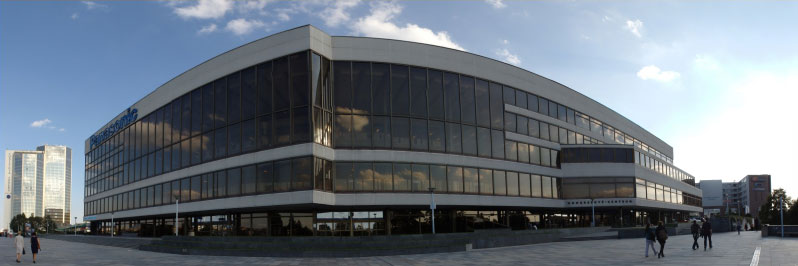
Prague Congress Centre (KCP)
5.května 65140 21 Prague 4
Czech Republic
Phone: +420 261 171 111
Website: www.kcp.cz