



Cultural Neuropsychology Through Case-Based Clinical Practice
Cultural Neuropsychology: A Case-Based Workshop offers a practical way to examine how culture shapes assessment, diagnosis, communication, and rehabilitation. Rather than treating culture as background information, the approach places language, identity, migration, education, family roles, and health beliefs inside the clinical formulation.
This perspective reflects the wider goals of neuropsychology: connecting neuroscience and scientific evidence with humane patient care. A cognitive score may be technically accurate while still being misunderstood if the clinician overlooks the person’s cultural and linguistic experience.
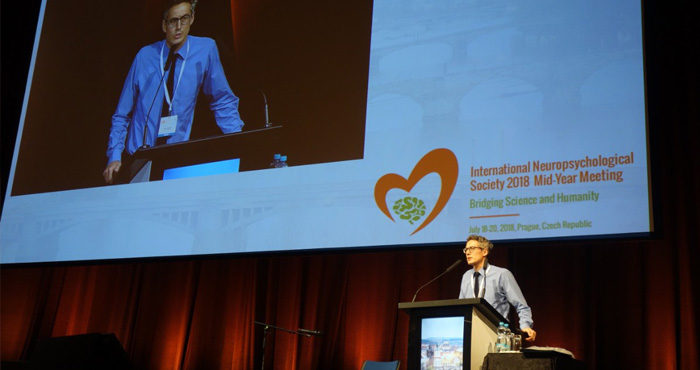
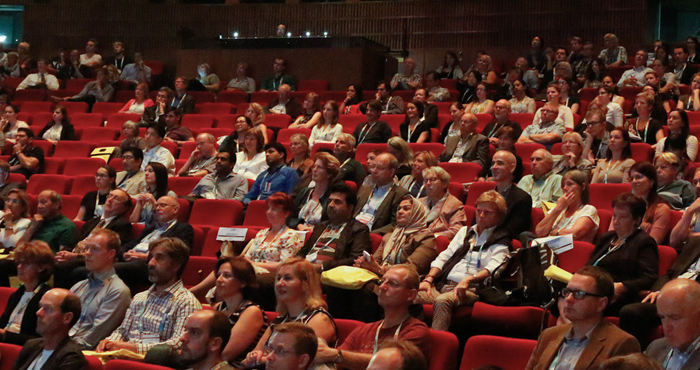
The 2018 International Neuropsychological Society meeting in Prague provided a fitting setting for this conversation. Its program connected clinical practice, cultural considerations, and advances in brain science, giving professionals a broader framework for interpreting complex cases.
Why Culture Belongs in Neuropsychological Reasoning
Culture influences how people describe symptoms, respond to authority, express distress, and understand illness. It can affect test familiarity, communication style, expectations about treatment, and willingness to disclose difficulties. These factors do not make assessment impossible, but they require careful interpretation.
A culturally responsive clinician distinguishes neurological evidence from assumptions about behavior. For example, limited eye contact may reflect respect rather than disengagement, while a family member’s active role may represent expected caregiving rather than impaired independence. Small contextual details can change the meaning of a clinical observation.
A Case-Based Way To Read Assessment Data
Case-based learning is especially useful because it turns abstract principles into decisions. A workshop participant might consider an older bilingual adult with memory complaints, inconsistent test performance, and a daughter who interprets every question. The central issue is not simply whether the score is low; it is how language dominance, acculturation, education, and family communication influence the result.
The clinician can then compare competing explanations. Is the pattern consistent with neurodegenerative disease, depression, limited test validity, unfamiliarity with formal testing, or several factors at once? Structured discussion encourages practitioners to identify missing information before assigning a diagnostic label.
From Test Scores To Lived Context
Normative data are essential, yet norms may not represent every patient equally. Years of schooling, literacy, bilingual development, socioeconomic opportunity, and familiarity with timed tasks can influence performance. A score should therefore be interpreted alongside the person’s developmental and cultural history.
The interview also deserves careful attention. Asking how a family defines memory loss, disability, independence, and recovery can reveal priorities that standard forms miss. When a clinician includes these perspectives, the assessment becomes more ecologically valid and more useful for treatment planning.
Comparing Clinical Lenses
Different approaches can produce different interpretations of the same presentation. The following framework helps keep biological, psychological, and cultural explanations in dialogue rather than treating them as competing exclusions.
| Clinical lens | Key question | Useful evidence | Common risk |
|---|---|---|---|
| Neurological | What brain-based process could explain the pattern? | History, imaging, cognitive profile | Overlooking context |
| Psychological | How do mood, trauma, or stress affect functioning? | Interview, behavior, symptom measures | Attributing too much to distress |
| Cultural-linguistic | How do language and cultural experience shape performance? | Language history, acculturation, norms | Treating culture as a fixed category |
| Functional | How does the person manage daily demands? | Reports from home, work, and community | Relying on vague impressions |
A balanced formulation brings these lenses together. If a patient performs poorly on a verbal task but manages familiar household responsibilities effectively, the discrepancy deserves investigation rather than immediate dismissal or overdiagnosis.
Making Care More Humane And Precise
Cultural humility requires ongoing self-reflection. Clinicians should examine their own assumptions about punctuality, emotional expression, family involvement, compliance, and independence. They should also explain procedures clearly, use qualified interpreters when needed, and avoid asking relatives to carry the full burden of translation.
Practical adjustments may include selecting measures with appropriate language versions, allowing additional rapport-building time, documenting the limits of available norms, and gathering collateral information from culturally trusted sources. Details about the Hotel Coronet and local arrangements may have supported meeting participants, but the larger lesson is equally practical: context affects participation before assessment even begins.
Recommendations For Workshop Practice
A strong case discussion should move from description to formulation and then to action. Participants can use the following habits:
- Record language exposure, literacy, education, migration history, and acculturation rather than reducing them to a single demographic label.
- Separate observed behavior from the interpretation attached to it.
- Compare test findings with everyday functioning across familiar and unfamiliar settings.
- Ask patients and families how they understand the problem and what outcome matters most.
- State clearly when cultural or linguistic factors limit confidence in a conclusion.
These steps support a more transparent report. Instead of presenting a score as an isolated fact, the clinician can explain what it suggests, what may complicate its meaning, and what additional evidence would strengthen the formulation.
The resources and professional context surrounding the INS 2018 meeting also emphasize collaboration across research, clinical work, and education. Case-based workshops are most effective when participants can disagree thoughtfully, test their assumptions, and connect evidence with the patient’s lived reality.
Apply this framework to the next complex assessment: pause before labeling, investigate the cultural and linguistic context, and build a formulation that respects both brain function and the person who lives with it.
General Information
Important information about the meetingIndustry
Support and exhibition opportunitiesCzech Republic
Beautiful country situated in the very heart of EuropeContact
How can we help you?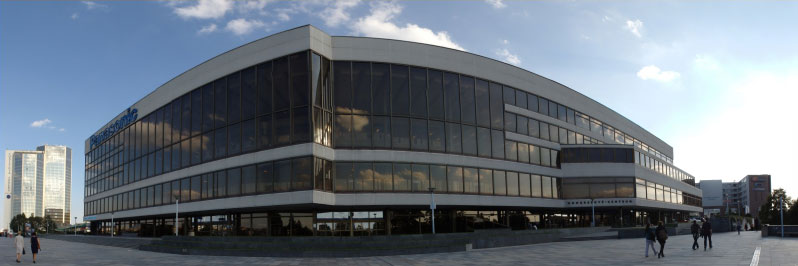
Prague Congress Centre (KCP)
5.května 65140 21 Prague 4
Czech Republic
Phone: +420 261 171 111
Website: www.kcp.cz