




What INS 2018 Teaches Telehealth Neuropsychology
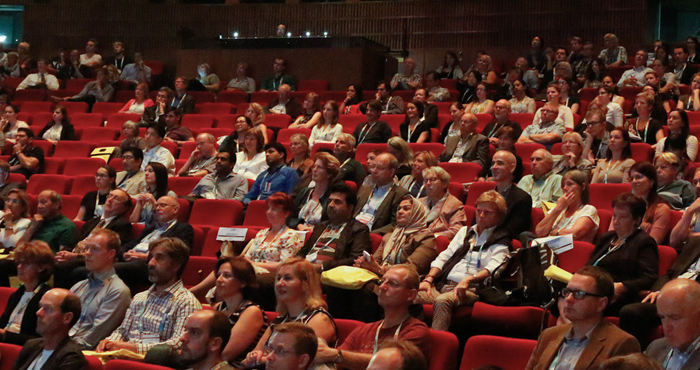
The 2018 International Neuropsychological Society mid-year meeting in Prague brought together research, clinical practice, neuroscience, and humane patient care. Its central value for today’s professionals lies in the connections it encouraged: between scientific measurement and lived experience, laboratory findings and clinical judgment, and international perspectives and local needs.
Telehealth has made those connections more urgent. Remote appointments can extend neuropsychological services beyond specialist centers, yet they also change how clinicians establish rapport, control testing conditions, interpret behavior, and protect patient information. Lessons associated with INS 2018 offer a useful framework for making digital care clinically sound rather than simply convenient.
Why INS Lessons Still Matter
The Prague meeting took place before remote healthcare became routine, but its focus on translational science remains highly relevant. A video consultation is still an assessment encounter shaped by attention, language, culture, mood, technology, and the relationship between clinician and patient.
This broader view discourages treating telehealth as a camera pointed at a paper test. Remote neuropsychology requires decisions about suitability, technology, accommodations, norms, and follow-up. It also demands careful communication with families, interpreters, schools, employers, and other professionals when cognitive findings affect daily life.
What Telehealth Changes
A clinic gives the examiner substantial control over lighting, noise, seating, materials, and interruptions. A home-based appointment offers a different kind of information, including the patient’s real-world environment and support network. It can also reveal barriers that might remain invisible in a conventional office.
At the same time, the remote format introduces risks. A weak internet connection may resemble slowed processing, while poor audio may compromise language tasks. Someone else in the room may unintentionally cue responses. Clinicians should document these conditions and distinguish technical limitations from genuine cognitive performance.
Culture And Context In Digital Care
Cultural formulation becomes especially important when assessment moves across regions, languages, and household settings. Eye contact, pauses, family participation, views of illness, and comfort with technology can vary widely. These factors influence behavior during a video session without necessarily indicating impairment.
The conference’s attention to cultural context supports a practical principle: interpret scores alongside the person’s educational history, language exposure, socioeconomic circumstances, and cultural expectations. Remote care should expand access without exporting narrow assumptions about normal communication or independent functioning.
A culturally responsive clinician explains the purpose of each task, checks understanding, and uses qualified language support when needed. Translated instructions alone may not resolve differences in test familiarity or the meaning of symptoms. Clinical judgment must remain broader than the numerical result.
Choosing The Right Assessment Model
Telehealth is best understood as a range of models rather than a single method. Some patients can complete standardized tasks remotely with secure platforms and controlled conditions. Others need an in-person examination, a hybrid appointment, or an interview-led evaluation because of sensory, motor, developmental, or technological factors.
| Assessment approach | Useful strengths | Main safeguards |
|---|---|---|
| Remote video assessment | Access, convenience, observation at home | Verify identity, privacy, equipment, and testing conditions |
| In-person assessment | Strong environmental control and broad test options | Address travel, cost, disability, and appointment access |
| Hybrid assessment | Combines home-based interviews with targeted clinic testing | Coordinate procedures and explain which results came from each setting |
| Telehealth follow-up | Tracks function, treatment response, and daily routines | Avoid overinterpreting informal observations as standardized scores |
Before testing, clinicians should conduct a technology check, confirm consent, identify who is present, and establish a backup communication plan. They should also decide in advance which measures are validated for remote administration and when a result must be described as provisional.
Connecting Cognitive And Psychiatric Care
Cognitive complaints frequently overlap with depression, anxiety, trauma, sleep problems, medication effects, and serious mental illness. Remote appointments may make it easier to involve psychiatric providers, though fragmented digital care can also leave important information in separate systems.
The shared clinical territory between neuropsychology and psychiatry highlights the value of integrated formulation. A memory complaint should be considered alongside affective symptoms, psychiatric history, substance use, functional change, and collateral reports rather than assigned prematurely to a neurological cause.
Telehealth can support joint case conferences and timely communication, but privacy rules and consent still apply. Clear reports should separate observed behavior, test findings, diagnostic hypotheses, and recommendations. This structure helps every provider understand what the evidence supports and what remains uncertain.
Standards For Humane Remote Practice
Scientific rigor and humane care reinforce each other in digital settings. The clinician’s tone, pacing, and explanation of technical problems can reduce anxiety and improve the quality of participation. Patients should know how their data are stored, who can view recordings, and what happens if the connection fails.
Practical standards include:
- Screen for hearing, vision, motor, language, cognitive, and technology-related barriers before the appointment.
- Use secure platforms and private locations, and confirm consent for any recording or observer.
- Record interruptions, assistance, device changes, and environmental factors in the clinical notes.
- Select remote-capable measures carefully and avoid presenting unvalidated scores as definitive.
- Provide concrete recommendations for daily functioning, rehabilitation, psychiatric care, and further evaluation.
The strongest tele-neuropsychology programs also monitor outcomes. Patient experience, completion rates, technical failures, diagnostic changes, and access across demographic groups can show whether a service is genuinely equitable. Quality improvement turns individual lessons into dependable clinical practice.
The Prague meeting’s enduring message is that innovation should serve people, not replace professional responsibility. Use its emphasis on culture, collaboration, neuroscience, and patient dignity to review your remote assessment pathway, strengthen clinical safeguards, and build telehealth services that remain accurate, accessible, and humane.
General Information
Important information about the meetingIndustry
Support and exhibition opportunitiesCzech Republic
Beautiful country situated in the very heart of EuropeContact
How can we help you?
Prague Congress Centre (KCP)
5.května 65140 21 Prague 4
Czech Republic
Phone: +420 261 171 111
Website: www.kcp.cz