



Cognitive Reserve and Aging: Insights from Prague
Aging does not follow a single biological script. Some adults maintain memory, attention, and everyday independence well into later life, while others experience noticeable difficulties despite having similar medical histories. Neuropsychology helps explain this variation by examining how brain health, life experience, environment, and coping strategies interact across the lifespan.
The idea of cognitive reserve offers a useful framework. It describes the brain’s capacity to use existing networks efficiently or recruit alternative strategies when disease, injury, or age-related changes place demands on cognition. Reserve is shaped over many years through education, occupation, social participation, physical activity, and intellectually engaging experiences.
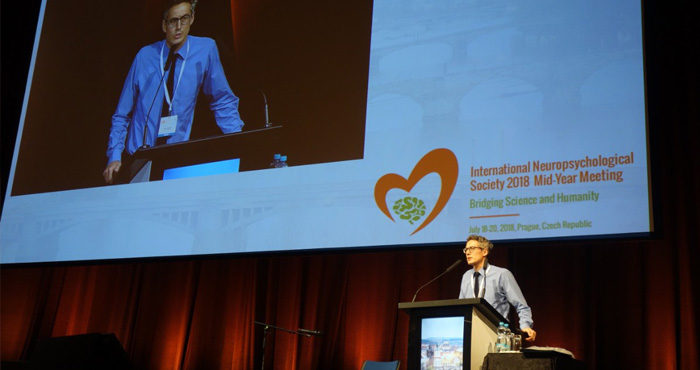
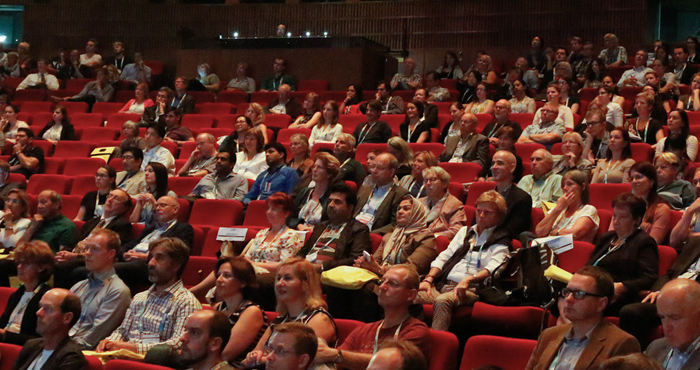
The 2018 International Neuropsychological Society meeting in Prague placed such questions within a wider conversation about neuroscience, clinical practice, cultural context, and humane patient care. The city itself provided a fitting setting for considering how personal history and social environment influence healthy aging.
What Cognitive Reserve Means
Cognitive reserve is different from brain reserve, although the concepts overlap. Brain reserve refers more directly to structural resources such as brain volume or synaptic density. Cognitive reserve concerns flexibility: how effectively a person solves problems, compensates for damage, and adapts when familiar mental routes become less reliable.
This distinction helps explain why visible pathology does not always predict daily functioning. Two people may show comparable changes on brain imaging yet perform differently on memory or executive tasks. One may draw on broader knowledge, practiced strategies, or more efficient networks, allowing independence to persist for longer.
Lifelong Experiences Shape Resilience
Education is often associated with stronger cognitive outcomes in later life, but it is not the only contributor. Complex work, multilingual communication, creative activities, volunteering, rich relationships, and regular learning may all provide opportunities to develop flexible thinking. The timing, quality, and continuity of these experiences matter.
Reserve is also dynamic. Adults can continue building cognitive and emotional resources through meaningful activity, even after retirement. Reading, learning a musical skill, joining a discussion group, navigating unfamiliar places, or mastering new technology can challenge attention and memory in ways that support adaptation.
Aging, Brain Health, And Daily Function
Cognitive reserve does not make anyone immune to dementia or other neurological conditions. Instead, it may delay the point at which impairment becomes evident in everyday life. This delay can be valuable, giving people more time to maintain routines, participate in decisions, and benefit from early assessment and support.
Lifestyle factors work alongside reserve. Cardiovascular health, sleep quality, hearing, mood, nutrition, and physical movement influence cognitive performance. A comprehensive neuropsychological evaluation therefore considers more than test scores; it explores medication, culture, education, language, daily demands, and the person’s own goals.
Comparing Protective Influences
The following distinctions can help organize the factors commonly discussed in healthy cognitive aging. They are complementary rather than competing explanations.
| Influence | Main contribution | Practical example |
|---|---|---|
| Education and learning | Builds knowledge and flexible strategies | Taking courses or learning a language |
| Complex work | Encourages planning and problem-solving | Managing projects or adapting procedures |
| Social connection | Supports communication and emotional regulation | Maintaining friendships or community roles |
| Physical activity | Benefits vascular and brain health | Walking, cycling, or strength training |
| Sleep and sensory health | Supports attention and memory efficiency | Treating sleep apnea or hearing loss |
| Cognitive strategies | Helps compensate for weaknesses | Using calendars, reminders, and routines |
Culture Belongs In The Assessment
Cognitive performance is always interpreted within a cultural and linguistic context. Years of schooling, literacy, migration, bilingualism, professional experience, and familiarity with testing conventions can affect results. A score should never be treated as a complete description of a person’s abilities or identity.
The Prague meeting’s emphasis on bridging scientific advances with humane care is especially relevant here. Clinicians need assessment tools that are appropriately normed and sensitive to cultural differences, while patients deserve explanations that respect their values, family structures, and preferred ways of making decisions.
Practical access matters as well. Visitors attending a conference or seeking health services in an unfamiliar city can use these Prague transport tips to plan movement between accommodation, clinical settings, and cultural activities. Ease of navigation can reduce stress, particularly for older adults or people managing fatigue and memory concerns.
From Research To Patient Care
Research on reserve has practical implications for prevention and rehabilitation. Clinicians can identify strengths that remain available, then use those strengths to support weaker abilities. A person with reduced free recall may benefit from structured routines, visual cues, spaced learning, or verbal organization strategies.
Families and professionals should also focus on participation rather than deficits alone. Preserving the ability to manage finances, prepare meals, communicate preferences, and enjoy relationships may be more meaningful than pursuing an isolated improvement on a test. This person-centered approach connects neuroscience with real-world care.
Building A Resilient Cognitive Life
Healthy aging is supported by consistent, realistic habits rather than a single brain-training solution. Useful priorities include:
- Combine aerobic movement with strength, balance, and regular outdoor activity.
- Protect sleep and address hearing, vision, mood, and cardiovascular risks.
- Keep learning through work, hobbies, reading, creative practice, or formal study.
- Maintain dependable social contact and meaningful community roles.
- Use calendars, notes, medication organizers, and other compensatory tools early.
Prague’s historic setting also encourages a broader view of aging: cognition develops through accumulated experience, relationships, places, and responsibilities. The city information preserved by the INS 2018 Prague page reflects the meeting’s connection between international scientific exchange and the lived environment in which that exchange occurred.
Cognitive reserve remains a valuable lens because it links brain adaptability with human biography. Put these insights into practice by supporting lifelong learning, protecting brain and body health, and treating every cognitive assessment as the beginning of a tailored care conversation.
General Information
Important information about the meetingIndustry
Support and exhibition opportunitiesCzech Republic
Beautiful country situated in the very heart of EuropeContact
How can we help you?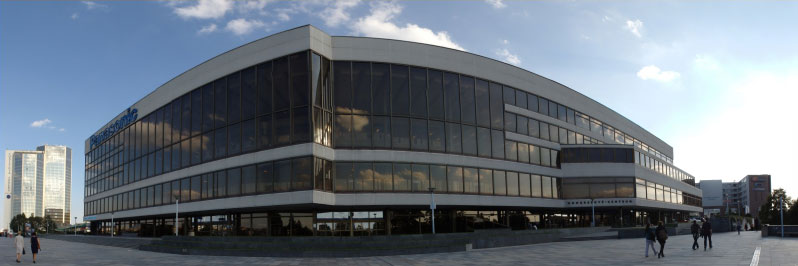
Prague Congress Centre (KCP)
5.května 65140 21 Prague 4
Czech Republic
Phone: +420 261 171 111
Website: www.kcp.cz