



Pre-Conference Workshops: Clinical Skills In Practice
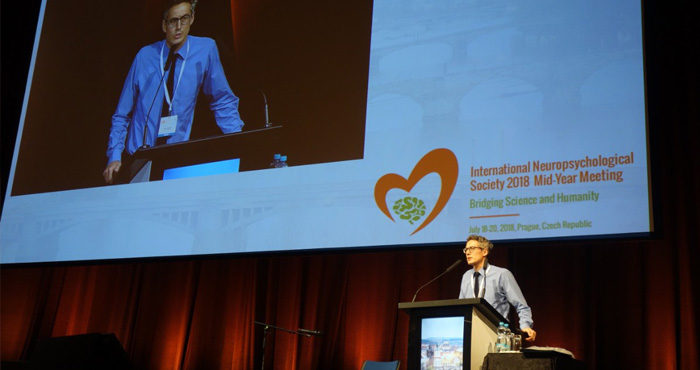
The INS 2018 mid-year meeting in Prague brought neuropsychologists together around a practical challenge: how can scientific progress improve the experience and outcomes of real patients? The pre-conference workshops addressed that question through intensive training in assessment, communication, clinical reasoning, and culturally responsive care.
Held before the main scientific program on July 18–20, 2018, these sessions gave attendees time to refine techniques with experienced practitioners. The emphasis was firmly clinical, connecting neuroscience and evidence-based methods with the judgment required in hospitals, rehabilitation settings, private practices, and community services.
The phrase “Pre-Conference Workshops: A Deep Dive into Clinical Skills” captures their purpose well. Participants were encouraged to examine how they think, listen, interpret results, and translate test findings into meaningful recommendations for patients and families.
From Research Findings To Patient Care
Neuropsychological practice depends on more than knowing the latest theories. Clinicians must select appropriate measures, understand limitations, integrate behavioral observations, and explain complex findings in language that supports treatment. Workshop-based learning creates space to practice these decisions rather than simply read about them.
This bridge between discovery and application was central to the meeting’s wider mission. Attendees interested in the lab-to-clinic bridge could explore how experimental findings become assessment strategies, rehabilitation plans, and compassionate conversations about cognitive change.
Sharpening Assessment And Clinical Reasoning
A strong clinical evaluation begins with a focused referral question. Workshop discussions can help practitioners distinguish between what a test measures, what a patient is experiencing, and what the wider medical or social context may explain. This prevents scores from being treated as isolated facts.
Participants also benefit from working through case formulations. Comparing alternative interpretations reveals how factors such as fatigue, medication, education, language, mood, and neurological history influence performance. These exercises build disciplined reasoning and make reports more useful to physicians, therapists, educators, and families.
Skills Developed Across Workshop Formats
Different teaching formats support different aspects of professional development. Demonstrations make techniques visible, case conferences reveal reasoning, and supervised exercises allow participants to test their own approach. A balanced program can therefore serve both early-career clinicians and experienced professionals seeking updated methods.
| Workshop focus | Practical skill | Clinical value |
|---|---|---|
| Assessment strategy | Matching measures to referral questions | More focused evaluations |
| Interviewing | Gathering history and concerns effectively | Stronger therapeutic rapport |
| Feedback sessions | Explaining results clearly | Better patient understanding |
| Cultural formulation | Identifying language and context effects | Fairer interpretation |
| Rehabilitation planning | Linking findings to daily goals | More actionable recommendations |
The value of these sessions lies in their active structure. A clinician may understand a communication principle intellectually yet struggle to apply it during an emotional feedback meeting. Rehearsal, peer discussion, and expert observation turn abstract guidance into usable behavior.
Communication As A Clinical Intervention
Feedback is a clinical moment, not merely the delivery of a report. Patients may hear a diagnosis, confront changes in independence, or worry about work and family responsibilities. Workshops focused on communication help clinicians present results honestly while preserving dignity, agency, and hope grounded in realistic goals.
Cultural awareness is equally important. Expectations about illness, disability, authority, privacy, and family involvement differ across communities. Effective neuropsychologists ask respectful questions, recognize their own assumptions, and adapt explanations without reducing individuals to cultural categories.
Applying Techniques Across Settings
Clinical skills must remain flexible enough for different environments. A hospital consultation may require concise recommendations under time pressure, while outpatient rehabilitation may involve repeated goal-setting with a patient and caregivers. School, forensic, geriatric, and community contexts bring their own ethical and practical demands.
The workshops encouraged clinicians to connect test results with everyday functioning. Instead of reporting impairment alone, practitioners can identify supports, environmental adjustments, compensatory strategies, and realistic next steps. This approach makes neuropsychological care more collaborative and more likely to influence daily life.
Preparing For Hands-On Learning
Attendees can gain more from intensive training when they arrive with a clear learning objective and a willingness to examine familiar habits. Useful preparation includes:
- Reviewing common assessment tools and their limitations
- Bringing a de-identified clinical question for discussion
- Identifying communication situations that feel difficult
- Considering how culture, language, and access affect evaluation
- Recording practical techniques to apply after the meeting
Peer exchange is another important part of professional learning. Comparing approaches with colleagues from different countries and specialties can reveal alternatives that are easy to miss within a single workplace. It also reflects the international character of INS 2018 and its commitment to humane, scientifically grounded practice.
The strongest workshop experience continues after the classroom ends. Clinicians can revisit their notes, discuss new methods with supervisors or teams, and evaluate whether changes improve patient understanding and care coordination. Small adjustments to interviewing, interpretation, and feedback can produce meaningful effects over time.
Explore the INS 2018 program and workshop materials to reconnect with the clinical conversations held in Prague. Use those ideas to strengthen assessment practice, communicate findings with greater care, and carry the meeting’s research-to-service mission into everyday neuropsychology.
General Information
Important information about the meetingIndustry
Support and exhibition opportunitiesCzech Republic
Beautiful country situated in the very heart of EuropeContact
How can we help you?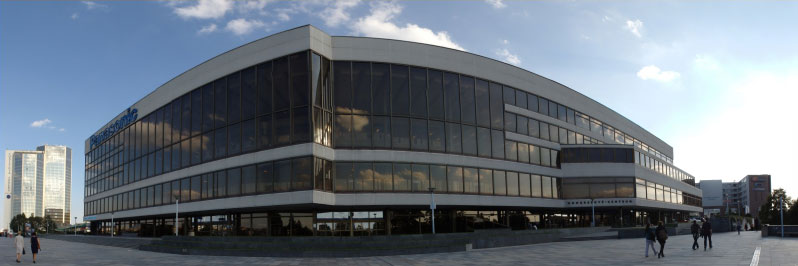
Prague Congress Centre (KCP)
5.května 65140 21 Prague 4
Czech Republic
Phone: +420 261 171 111
Website: www.kcp.cz