




Exploring neuropsychology’s role in epilepsy care
Epilepsy care extends far beyond identifying seizures and selecting antiseizure medication. The condition can affect memory, attention, language, mood, behavior, education, employment, relationships, and a person’s confidence in daily life. Neuropsychology helps clinicians understand these effects in a structured and compassionate way.
A neuropsychological evaluation examines how brain networks and psychological factors interact with seizure activity, medication effects, sleep disruption, and social stress. This perspective supports individualized care because two people with similar seizure patterns may have very different cognitive strengths, emotional needs, and practical challenges.
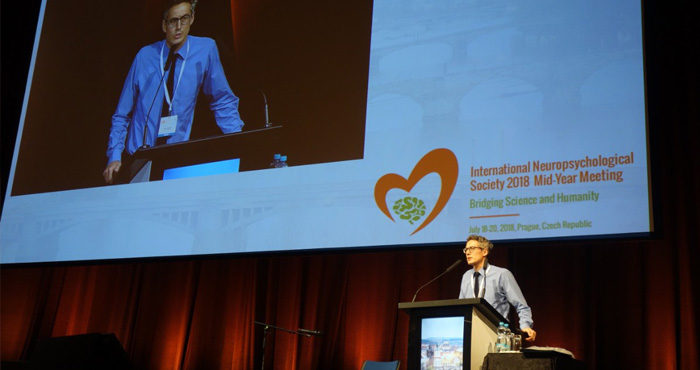
The International Neuropsychological Society meeting in Prague in 2018 reflected this broad clinical vision. Its emphasis on neuroscience, cultural awareness, patient care, and professional education remains relevant to epilepsy teams seeking to connect scientific findings with meaningful outcomes.
Understanding epilepsy beyond seizures
Seizure frequency is an important clinical measure, but it does not fully describe the burden of epilepsy. Brief impairments in awareness, postictal confusion, medication-related fatigue, and fear of another seizure can alter a person’s functioning even when overt seizures are infrequent.
Neuropsychologists assess the wider pattern. They may explore memory, processing speed, executive skills, language, visuospatial abilities, emotional regulation, and adaptive behavior. Reviewing these domains over time can reveal subtle changes that are difficult to detect during a routine appointment.
Mapping cognitive and emotional effects
Cognitive assessment can help distinguish longstanding learning difficulties from changes associated with epilepsy. It may also clarify whether challenges relate to seizure location, seizure burden, medication combinations, sleep quality, mood symptoms, or a mixture of influences.
Emotional health deserves equal attention. Depression, anxiety, irritability, and seizure-related stigma can reduce participation in treatment and everyday activities. A clinician who combines test results with the patient’s history can recommend psychological therapy, compensatory strategies, family education, or referral to other specialists.
Turning assessment into treatment planning
Neuropsychological findings are especially valuable when epilepsy surgery is being considered. Baseline testing can identify cognitive strengths and vulnerabilities before an operation, while follow-up assessments can track changes afterward. This information supports informed consent and helps the team discuss realistic outcomes.
Assessment also informs rehabilitation. A person with slowed processing may benefit from written instructions and extra response time, while someone with memory difficulties may need calendars, reminders, repetition, or environmental routines. Student program opportunities can help early-career professionals learn how these evaluations translate into collaborative clinical practice.
Comparing clinical contributions
Different members of an epilepsy service answer different questions. Effective care depends on combining their perspectives rather than treating cognitive and emotional concerns as separate from seizure management.
| Clinical focus | Neuropsychology contribution | Practical benefit |
|---|---|---|
| Cognitive functioning | Measures memory, attention, language, and executive skills | Identifies strengths, impairments, and compensatory needs |
| Emotional wellbeing | Screens for depression, anxiety, distress, and adjustment concerns | Guides psychological support and improves engagement |
| Surgical evaluation | Establishes baseline abilities and estimates possible postoperative effects | Supports informed decision-making |
| Medication management | Documents cognitive or behavioral changes over time | Helps clinicians weigh benefits and adverse effects |
| Daily participation | Examines school, work, relationships, and independent living | Connects treatment with meaningful life goals |
Supporting care across cultures and settings
Cultural background can shape how people describe seizures, understand mental health, involve family members, and respond to medical recommendations. Neuropsychological interpretation must therefore consider language, education, migration history, literacy, and access to healthcare. Test selection and communication should be adapted whenever possible.
A humane assessment also recognizes practical barriers. Transportation, appointment costs, caregiving responsibilities, and fear of discrimination may influence attendance and treatment adherence. Clear explanations, accessible reports, and collaboration with families can make specialized care more useful outside the clinic.
Building humane long-term partnerships
Epilepsy is often a changing condition, so neuropsychological care should not be viewed as a single testing event. Repeat assessment may be appropriate after medication changes, surgery, developmental transitions, or a noticeable shift in functioning. Longitudinal information helps clinicians identify meaningful change without relying on impressions alone.
Patients should receive feedback in clear, respectful language. Reports are most effective when they describe abilities alongside difficulties and offer specific actions that can be used at home, school, or work. This approach protects dignity while giving families and clinicians a practical path forward.
Priorities for epilepsy care teams
- Include cognitive and emotional screening in routine epilepsy reviews.
- Use baseline and follow-up assessments when surgery or major medication changes are planned.
- Translate test findings into concrete strategies for memory, attention, fatigue, and organization.
- Discuss cultural, educational, occupational, and family factors during interpretation.
- Share recommendations with the patient, caregivers, neurologist, and rehabilitation professionals.
Neuropsychology gives epilepsy care a broader definition of success: fewer seizures, safer treatment, preserved cognitive abilities, emotional resilience, and fuller participation in life. Clinical teams can begin by incorporating targeted screening, referring for comprehensive assessment when needed, and treating patient priorities as essential clinical data. Explore the educational resources and meeting materials associated with INS 2018 to strengthen a care model that joins neuroscience with compassion.
General Information
Important information about the meetingIndustry
Support and exhibition opportunitiesCzech Republic
Beautiful country situated in the very heart of EuropeContact
How can we help you?
Prague Congress Centre (KCP)
5.května 65140 21 Prague 4
Czech Republic
Phone: +420 261 171 111
Website: www.kcp.cz