




Where Neuropsychology Meets Psychiatric Care
Neuropsychology and psychiatry address many of the same clinical realities from different professional perspectives. One examines cognition, behavior, and brain function in detail; the other integrates mental health symptoms, medical history, social context, and treatment. Their shared ground is especially important when a patient presents with memory loss, mood changes, unusual behavior, or impaired daily functioning.
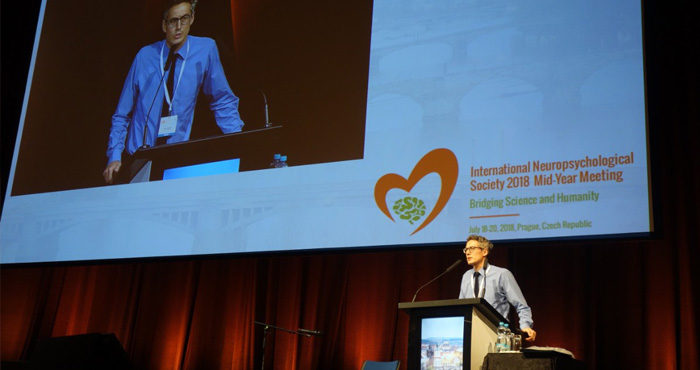
The International Neuropsychological Society’s 2018 mid-year meeting in Prague explored this meeting point through scientific research, clinical practice, neuroscience, and humane patient care. Held from July 18–20, the event also emphasized cultural considerations and the practical needs of professionals working with complex patients.
The conference website supported that mission with program information, poster listings, continuing education workshops, registration details, venue guidance, public transport information, and a photo gallery. Its conference preview offered additional context for attendees preparing to connect research findings with real-world psychiatric and neuropsychological services.
Shared Clinical Questions
Psychiatric assessment often begins with symptoms such as anxiety, depression, psychosis, irritability, or reduced motivation. Neuropsychological evaluation adds a structured analysis of attention, memory, language, executive function, and processing speed. Together, these perspectives can clarify whether cognitive difficulties reflect a psychiatric disorder, neurological disease, medication effects, developmental factors, or several causes at once.
This collaboration is valuable because symptoms rarely fit neatly into one diagnostic category. A person with major depression may appear forgetful and slow, while an individual with early dementia may first be treated for low mood. Careful cognitive testing, psychiatric interviewing, medical review, and collateral information help clinicians distinguish overlapping presentations.
From Brain Findings To Human Experience
Neuroscience has expanded understanding of how brain networks influence emotion, decision-making, self-regulation, and social behavior. However, brain-based findings do not replace the patient’s personal narrative. Neuropsychologists and psychiatrists must interpret test scores and imaging results within the person’s culture, education, language, relationships, and everyday responsibilities.
A humane approach also recognizes that assessment can be stressful. Patients may fear losing independence or receiving a stigmatizing diagnosis. Explaining the purpose of testing, using accessible language, and discussing strengths alongside impairments can improve cooperation and make results more clinically meaningful.
Assessment And Diagnosis In Partnership
Neuropsychological testing can refine psychiatric diagnosis by showing patterns of preserved and impaired abilities. For example, inconsistent effort, slowed processing, or difficulties with planning may guide further evaluation, while intact learning with poor retrieval may suggest a different clinical pathway from rapid forgetting.
Psychiatrists contribute expertise in symptom course, risk assessment, medication management, and differential diagnosis. When both disciplines share findings, treatment plans become more targeted. Cognitive rehabilitation, psychotherapy, medication, behavioral strategies, family education, and environmental supports can then be combined according to individual needs.
| Clinical concern | Neuropsychological contribution | Psychiatric contribution | Shared benefit |
|---|---|---|---|
| Memory complaints | Measures learning, recall, and recognition | Reviews mood, sleep, medication, and illness history | Distinguishes cognitive and emotional factors |
| Executive dysfunction | Examines planning, flexibility, and inhibition | Assesses impulsivity, motivation, and functional risk | Supports safety and daily-living strategies |
| Emotional change | Identifies cognitive effects of distress | Diagnoses and treats mood or psychotic symptoms | Coordinates psychological and medical care |
| Cultural differences | Adapts interpretation to language and education | Considers cultural beliefs and help-seeking patterns | Reduces diagnostic bias |
Culture, Context, And Equity
Cultural background can influence how symptoms are described, how distress is expressed, and whether professional care is accepted. Language differences and unequal access to education may also affect performance on standardized tests. A score should therefore be interpreted cautiously rather than treated as a complete description of ability.
Cross-cultural neuropsychology encourages clinicians to select appropriate measures, obtain background information, and consider culturally relevant norms whenever possible. Psychiatry brings complementary awareness of family systems, community resources, stigma, and culturally shaped explanations of illness. These considerations protect patients from inaccurate labeling and improve engagement with care.
Translating Research Into Treatment
Research becomes clinically useful when it changes how professionals assess, communicate, and treat. Findings about cognitive control, emotional regulation, or brain injury can inform practical interventions, but clinicians must still consider feasibility. A treatment that requires intensive sessions or reliable transportation may not work for someone facing financial, physical, or family barriers.
Continuing education workshops and scientific presentations help practitioners update their methods while maintaining clinical judgment. The Prague meeting’s combination of research sessions, posters, and applied learning reflected the need to connect laboratory discoveries with services delivered in hospitals, clinics, rehabilitation programs, and community settings.
Priorities For Integrated Practice
Professionals working across neuropsychology and psychiatry can strengthen patient care by focusing on several practical principles:
- Establish shared referral questions before beginning assessment.
- Combine test results with interviews, medical records, and information from family or caregivers.
- Explain findings in plain language and relate them to everyday functioning.
- Review cultural, linguistic, educational, and socioeconomic factors before interpreting scores.
- Reassess treatment plans as cognition, symptoms, medication, and circumstances change.
This approach supports a more complete understanding of the patient. It also encourages respectful communication between disciplines, reducing duplicated work and ensuring that cognitive findings influence psychiatric treatment rather than remaining isolated in a report.
The intersection of neuropsychology and psychiatry is ultimately a place for collaboration: precise measurement joined with careful listening, biological insight joined with cultural awareness, and diagnosis joined with practical support. Explore the INS 2018 materials and related conference resources to see how research, clinical education, and compassionate care can inform one another.
General Information
Important information about the meetingIndustry
Support and exhibition opportunitiesCzech Republic
Beautiful country situated in the very heart of EuropeContact
How can we help you?
Prague Congress Centre (KCP)
5.května 65140 21 Prague 4
Czech Republic
Phone: +420 261 171 111
Website: www.kcp.cz