



Neuropsychological rehabilitation across diverse populations
Neuropsychological rehabilitation helps people adapt after brain injury, stroke, neurological disease, developmental conditions, and other changes affecting cognition or behavior. Effective care combines assessment, practical training, emotional support, and environmental adjustment rather than treating test scores as the whole person.
The needs of a patient living in Prague may differ from those of a migrant family, a rural community, an older adult, or a person whose first language is not the clinician’s. Cultural values, education, health literacy, family roles, and access to technology can shape every stage of recovery. For that reason, rehabilitation must be scientifically grounded while remaining flexible and humane.
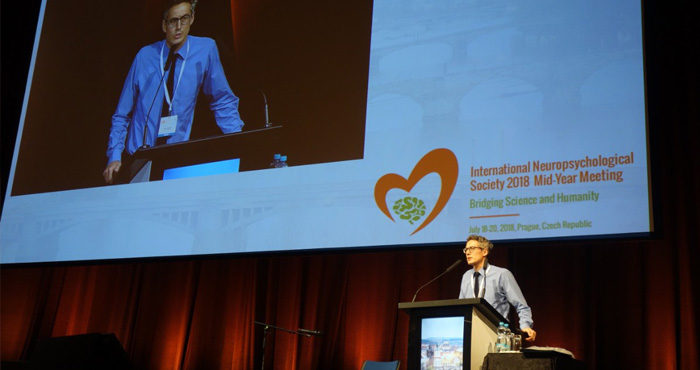
These themes were central to the International Neuropsychological Society mid-year meeting in Prague, held from July 18–20, 2018. Its program connected neuroscience and clinical practice with cultural considerations, patient care, workshops, posters, and continuing education.
Why culture belongs in rehabilitation
Culture influences how people describe memory problems, understand disability, express distress, and decide who should participate in care. A patient may expect family-led decisions, prefer traditional healing practices, or view independence differently from the assumptions built into a standard treatment plan.
Clinicians should therefore ask about communication preferences, family expectations, spiritual beliefs, work demands, and everyday routines. These conversations reduce the risk of mistaking cultural differences for poor motivation, lack of insight, or cognitive impairment.
Assessing cognition in context
A valid evaluation requires more than translating a test. Language structure, literacy, schooling, socioeconomic conditions, bilingualism, and familiarity with testing can all affect performance. Normative data should match the patient’s demographic and linguistic background whenever possible, and limitations should be clearly documented when suitable norms are unavailable.
Functional observation adds important detail. Watching how someone manages medication, transportation, finances, cooking, or workplace tasks can reveal strengths and barriers that a brief assessment misses. Information from relatives, teachers, employers, and community workers can further clarify the person’s baseline and current abilities.
Designing person-centered intervention
Cognitive rehabilitation is most useful when goals are meaningful in the patient’s own life. Attention exercises may support returning to work, remembering a child’s school schedule, navigating public transport, or participating in religious and social activities. Goals should be concrete, measurable, and adjusted as recovery develops.
Intervention may include memory strategies, metacognitive training, errorless learning, communication support, fatigue management, and environmental modifications. A culturally responsive plan also considers whether written instructions, smartphone reminders, family coaching, or face-to-face practice best fit the person’s resources and preferences.
Translating science into clinical practice
Research findings become valuable when clinicians can apply them safely across settings. The Prague meeting’s emphasis on bridging scientific advances with humane patient care reflected this need, linking laboratory knowledge with practical neuropsychological services. A detailed conference preview offers further context about the event and its focus.
| Rehabilitation dimension | Standardized approach | Culturally responsive approach |
|---|---|---|
| Goal setting | Clinician-selected functional targets | Goals negotiated with the patient and support network |
| Assessment | One language and fixed norms | Appropriate language, norms, and contextual information |
| Treatment delivery | Clinic-based sessions | Flexible formats shaped by access, transport, and technology |
| Family involvement | Optional caregiver participation | Family role discussed according to patient preference |
| Outcome measurement | Test-score change | Test scores combined with daily functioning and quality of life |
The strongest clinical models preserve fidelity to evidence while allowing adaptation. Protocols can specify essential components, such as repeated practice or strategy learning, while permitting changes in examples, language, session format, and communication style.
Supporting access and continuity
Rehabilitation services are often harder to reach for people with limited income, unstable housing, rural residence, sensory disability, or restricted insurance coverage. Transportation guidance, telehealth, community partnerships, interpreter services, and accessible materials can make a substantial difference.
Continuity also matters. A patient may move between hospital care, outpatient therapy, primary care, school, employment services, and family support. Shared documentation and clear handovers help prevent duplicated assessments and ensure that strategies remain consistent across environments.
Building a humane evidence base
Studies of diverse populations should report who participated, which languages were used, how culture was addressed, and whether outcomes differed across groups. Researchers need measures that capture participation, independence, caregiver burden, well-being, and cultural fit alongside cognitive performance.
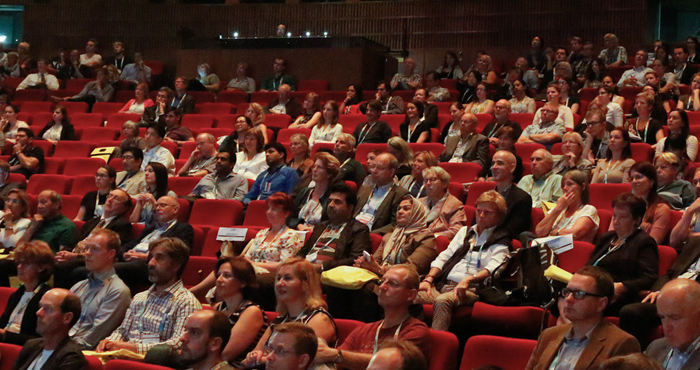
Clinicians and institutions can strengthen this evidence by inviting community input during service design and by treating patient experience as meaningful data. The posters, workshops, and continuing education activities associated with INS 2018 reflected the value of exchanging methods across specialties and regions.
Practical priorities for inclusive care
A rehabilitation team can turn these principles into everyday practice by:
- Asking patients how they define recovery and which activities matter most.
- Checking language, literacy, sensory, financial, and transportation needs early.
- Combining formal tests with ecological observation and collateral information.
- Training families and support workers to reinforce strategies consistently.
- Reviewing goals regularly as abilities, roles, and living circumstances change.
These steps support individualized care without abandoning clinical rigor. They also encourage professionals to recognize strengths, build on existing coping methods, and include the patient in decisions about risk, independence, and support.
Explore the INS 2018 resources as a record of how neuropsychology can connect research, cultural awareness, and compassionate clinical practice. Applying these principles today can help rehabilitation teams deliver care that is scientifically informed, socially responsive, and genuinely relevant to the lives of diverse patients.
General Information
Important information about the meetingIndustry
Support and exhibition opportunitiesCzech Republic
Beautiful country situated in the very heart of EuropeContact
How can we help you?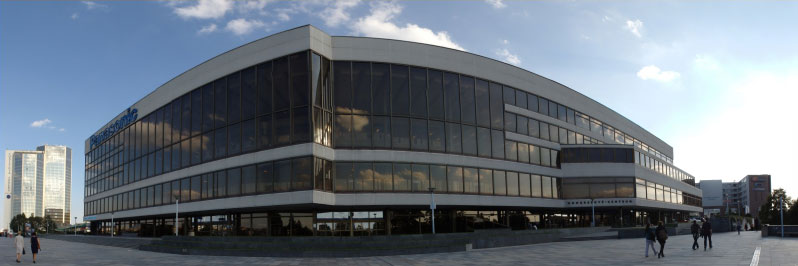
Prague Congress Centre (KCP)
5.května 65140 21 Prague 4
Czech Republic
Phone: +420 261 171 111
Website: www.kcp.cz