



INS 2018 Keynote Speakers And Their Lasting Influence
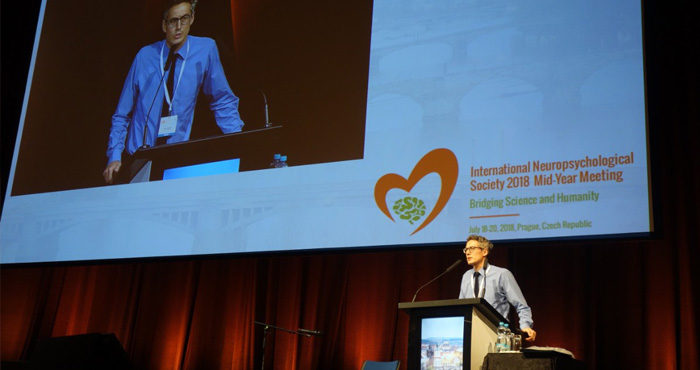
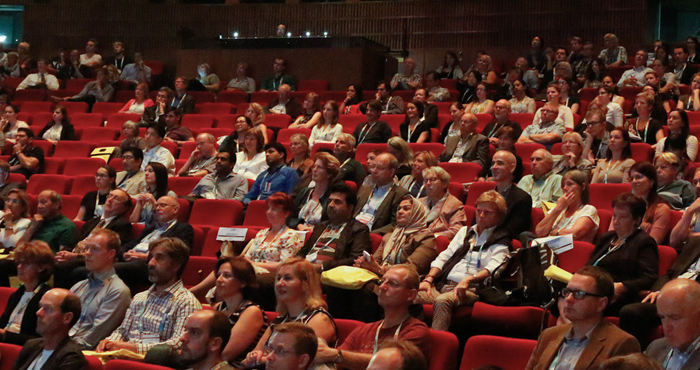
The INS 2018 mid-year meeting in Prague brought together researchers, clinicians, educators, and students around a shared concern: how can advances in neuropsychology improve the lives of real patients? Held from July 18–20, 2018, the meeting connected neuroscience, assessment, rehabilitation, cultural awareness, and humane clinical practice.
Keynote speakers played a central role in that connection. Their professional backgrounds helped frame the conference as more than a presentation of new findings. Each profile represented a different route into neuropsychological practice, from laboratory science and cognitive theory to patient-centered assessment and cross-cultural care.
The INS 2018 Keynote Speaker Profiles and Their Impact can therefore be understood through the questions they raised. How should evidence influence treatment? What responsibilities do clinicians have when culture affects testing? How can scientific precision coexist with empathy?
Linking Neuroscience With Clinical Practice
The most valuable keynote profiles likely reflected the broad scope of contemporary neuropsychology. A speaker rooted in neuroscience could explain the mechanisms behind memory, attention, executive function, or brain injury, while a clinically focused expert could show how those mechanisms shape assessment and rehabilitation.
This bridge matters because scientific discoveries do not automatically translate into better care. Clinicians must decide which findings are reliable, relevant, and practical for an individual patient. Keynote presentations can accelerate that process by interpreting complex research for professionals who work in hospitals, clinics, schools, and community settings.
The Human Meaning Of Neuropsychological Assessment
Neuropsychological testing is often associated with scores, norms, and diagnostic categories. The keynote perspective at a meeting centered on humane care would encourage attendees to look beyond those measurements and consider the person producing them.
A cognitive profile can affect access to treatment, education, employment, legal support, and rehabilitation services. Speakers who emphasized clinical judgment and compassionate communication would remind practitioners that assessment is also a relationship. Explaining results clearly, acknowledging uncertainty, and recognizing patient strengths can make a substantial difference to outcomes.
Cultural Context And Professional Responsibility
Cultural neuropsychology was another important dimension of the Prague meeting. Tests developed in one language or population may not transfer cleanly to another. Education, migration history, bilingualism, social expectations, and familiarity with testing can all influence performance.
Keynote speakers who addressed these issues helped move cultural considerations from an optional topic to a core part of professional responsibility. Their impact lies in encouraging practitioners to question assumptions, select appropriate norms, and interpret findings within a patient’s lived context rather than treating numerical results as universally self-explanatory.
| Keynote Perspective | Main Contribution | Practical Impact |
|---|---|---|
| Neuroscience and cognition | Explains brain-behavior relationships | Supports informed assessment and treatment |
| Clinical neuropsychology | Connects evidence with patient care | Improves diagnostic reasoning and rehabilitation |
| Cultural neuropsychology | Examines language and contextual factors | Reduces misinterpretation and bias |
| Rehabilitation and disability | Focuses on daily functioning | Encourages meaningful, goal-based intervention |
| Professional education | Shares methods across disciplines | Strengthens continuing learning and collaboration |
Why Speaker Profiles Matter
A speaker’s profile gives an audience a framework for evaluating the message. Career history, research specialization, clinical experience, and international perspective all influence how a keynote addresses the relationship between evidence and practice.
For early-career professionals, these profiles can also make the field more accessible. They demonstrate that neuropsychology offers multiple professional paths, including research, clinical service, teaching, rehabilitation, policy, and advocacy. The effect is practical: attendees can identify models of leadership and imagine how their own work might contribute to the discipline.
The conference program and poster listings expanded this effect by placing keynote themes alongside emerging research. Attendees could compare established perspectives with newer studies, discuss methods with peers, and carry ideas from the main sessions into workshops and professional conversations.
From Prague Sessions To Everyday Care
The meeting’s Prague setting added a useful international dimension. A gathering that brought together professionals from different systems of healthcare encouraged discussion about how services are organized, how patients are supported, and how assessment practices vary between countries.
Practical details also helped participants engage fully with the event. Those arranging their stay could review Hotel EA Julis details alongside venue information and public transport guidance. These logistical resources may seem separate from keynote scholarship, but easy access to the meeting supports attendance, informal exchange, and the relationships that often extend learning beyond the lecture hall.
The lasting influence of a keynote is frequently visible in these informal settings. A presentation may inspire a research collaboration, change a clinician’s approach to feedback, or prompt a student to pursue a new specialty. Its impact grows through conversation and application.
Applying The Meeting’s Core Lessons
The strongest value of the keynote sessions comes from converting broad ideas into deliberate professional habits. Researchers and practitioners can use the meeting’s themes as a guide for reviewing their own methods, language, and assumptions.
- Connect new neuroscience findings to functional goals that matter to patients.
- Interpret test performance alongside language, education, culture, and personal history.
- Present cognitive results in clear, respectful language that supports informed decisions.
- Treat rehabilitation as a collaborative process rather than a fixed sequence of exercises.
- Continue professional learning through workshops, research networks, and peer discussion.
These recommendations reflect the central promise of the 2018 meeting: scientific progress becomes meaningful when it improves communication, dignity, independence, and care. Speaker profiles matter because they show how different forms of expertise can serve that purpose.
Explore The Prague Meeting Archive
The INS 2018 materials preserve a snapshot of neuropsychology at a time when neuroscience, cultural competence, and patient-centered practice were increasingly intertwined. Reviewing keynote themes alongside the scientific program, posters, continuing education workshops, venue information, and photo gallery offers a fuller picture of the event’s professional impact.
Use the archived resources to revisit the ideas behind the meeting, trace how keynote perspectives connect with current neuropsychological work, and apply those lessons to research, assessment, rehabilitation, and compassionate patient care.
General Information
Important information about the meetingIndustry
Support and exhibition opportunitiesCzech Republic
Beautiful country situated in the very heart of EuropeContact
How can we help you?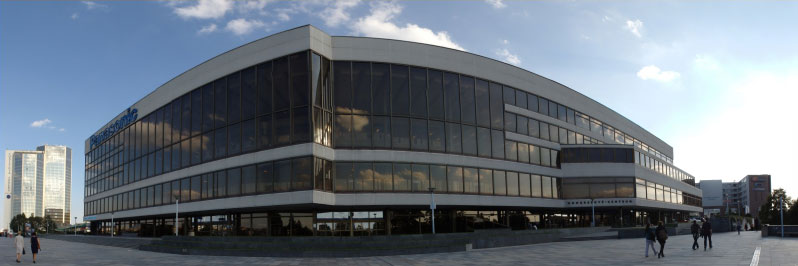
Prague Congress Centre (KCP)
5.května 65140 21 Prague 4
Czech Republic
Phone: +420 261 171 111
Website: www.kcp.cz