



How to get the most out of INS 2018 workshops
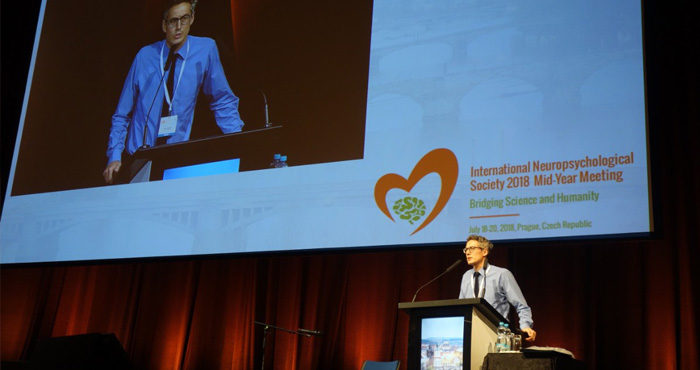
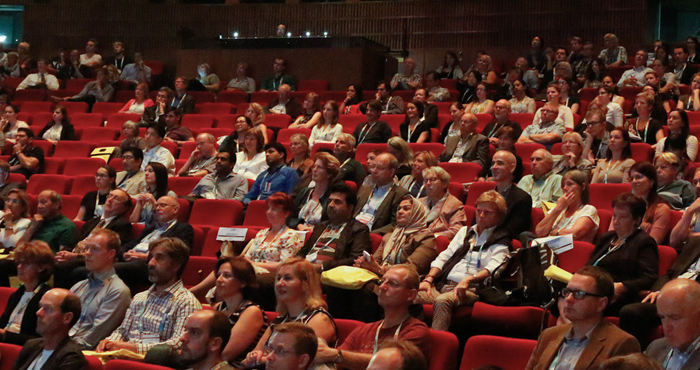
INS 2018 brought neuropsychologists to Prague from July 18–20, 2018, with a program designed to connect scientific progress with humane, culturally responsive patient care. Its continuing education workshops offered more than concentrated lectures: they created opportunities to examine assessment methods, clinical judgment, neuroscience, and the realities of practice.
Getting the most from those sessions required some planning. A clear agenda, purposeful preparation, and active participation could turn a few scheduled hours into practical knowledge that remained useful after the meeting ended.
For anyone reviewing the program or applying its lessons today, the best approach is to treat each workshop as part of a larger professional learning strategy rather than an isolated event.
Build a workshop-first plan
Begin with the full INS 2018 program, then mark the workshops that most closely match your role, current caseload, or research interests. Give priority to sessions that address a problem you expect to encounter soon. A directly relevant workshop is easier to follow and more likely to produce changes in daily practice.
Leave space between sessions when possible. Rushing from one room to another can reduce concentration, especially when workshops involve demonstrations, case analysis, or detailed discussion. A short break also provides time to record key points before they become blurred by the next presentation.
Match sessions to your clinical goals
Workshop value increases when you arrive with a specific purpose. You might focus on improving cross-cultural assessment, refining dementia screening, understanding executive functioning, or translating neuroscience findings into clearer clinical decisions. Write down two or three outcomes you hope to achieve before attending.
Cultural competence was central to the meeting’s broader mission. The discussion surrounding cultural considerations is especially useful for examining how language, education, acculturation, and local expectations can influence test performance and interpretation.
Prepare before the doors open
Read the workshop descriptions carefully and identify unfamiliar terms, measures, or diagnostic frameworks. A small amount of advance research makes it easier to distinguish foundational material from new developments. If presenters list references, review at least one before the session and keep the others for later reading.
Prepare a compact note-taking system. Divide a page into three areas: important concepts, clinical applications, and unresolved questions. This structure keeps notes focused and helps separate information worth remembering from details that require further verification.
| Before the workshop | During the workshop | After the workshop |
|---|---|---|
| Review the description and learning objectives | Record methods, examples, and practical cautions | Summarize the main lesson in a few sentences |
| Identify a relevant case or research question | Mark ideas that could change your practice | Choose one action and one follow-up resource |
| Bring reference material and questions | Participate in discussion and activities | Share useful points with colleagues |
Use the room as a learning lab
Active participation is one of the strongest ways to retain continuing education content. Ask how a technique works with different languages, educational backgrounds, neurological conditions, or levels of caregiver support. Case-based questions often reveal limitations that are not obvious in a general presentation.
Listen for the reasoning behind a recommendation, not just the recommendation itself. A workshop may present a particular instrument or intervention, but its lasting value lies in understanding when that approach is appropriate, what evidence supports it, and where professional judgment remains necessary.
Turn new knowledge into clinical action
At the end of each session, write a brief implementation note: “I will use this when…” Complete the sentence with a specific situation, such as selecting a measure, explaining results to a family, or deciding when a referral requires additional neurological investigation. Specific intentions are easier to revisit than broad statements about professional development.
Dementia diagnosis was another important area of scientific and clinical interest at INS 2018. The meeting’s coverage of dementia diagnosis advances can support reflection on emerging biomarkers, cognitive profiles, differential diagnosis, and the need to communicate uncertainty responsibly.
Make the conference experience practical
Prague’s venue, public transport information, and central setting made it possible to plan efficiently around the educational schedule. Check travel times in advance, allow extra time for registration, and carry the essentials needed for several hours of concentration. Comfortable logistics protect attention for the workshop itself.
Use informal conversations strategically. Introduce yourself to presenters or fellow attendees with a concise explanation of your interests, then exchange contact details when a discussion suggests a useful collaboration. A thoughtful follow-up message after the meeting can turn a brief conversation into an ongoing professional connection.
A practical workshop checklist
- Select sessions that address a defined clinical, research, or teaching objective.
- Prepare two questions and one relevant case before each workshop.
- Record one evidence-based idea, one practical caution, and one action.
- Review notes within a week and discuss the most useful point with a colleague.
INS 2018 workshops were designed to bridge advances in neuropsychology with compassionate, context-aware care. Revisit the program, organize the most relevant resources, and turn each strong insight into a deliberate improvement in assessment, diagnosis, or patient communication.
General Information
Important information about the meetingIndustry
Support and exhibition opportunitiesCzech Republic
Beautiful country situated in the very heart of EuropeContact
How can we help you?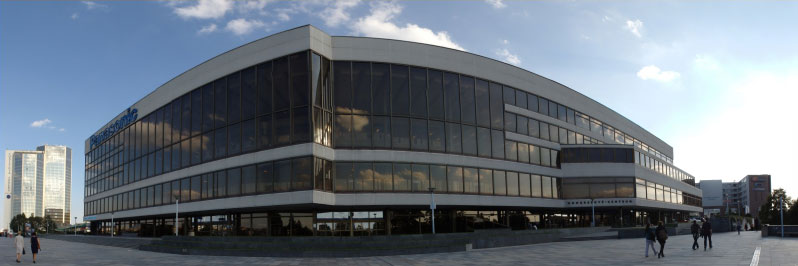
Prague Congress Centre (KCP)
5.května 65140 21 Prague 4
Czech Republic
Phone: +420 261 171 111
Website: www.kcp.cz