



Why The INS Mid-Year Meeting Matters For Clinicians
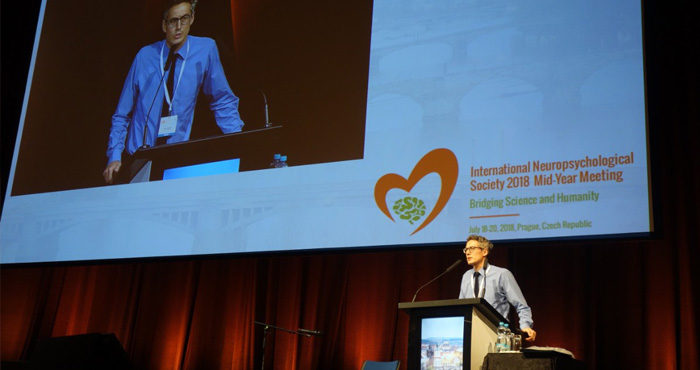
The INS 2018 Mid-Year Meeting in Prague brought neuropsychologists together around a practical question: how can advances in brain science improve the lives of patients? Held from July 18–20, 2018, the event connected research, assessment, rehabilitation, and compassionate clinical care.
That focus made the meeting valuable beyond its scientific program. Clinicians work with people whose cognitive, emotional, and behavioral difficulties are shaped by medical history, family systems, language, culture, and everyday demands. A strong professional meeting must address that full context.
The Prague conference also offered concrete resources, including continuing education workshops, poster sessions, venue information, and opportunities for professional exchange. Its lasting relevance comes from showing how evidence-based neuropsychology can remain both precise and humane.
Clinical Judgment Gains Context
Neuropsychological practice depends on more than scores. A clinician must decide whether a pattern reflects neurological disease, psychiatric symptoms, medication effects, developmental history, fatigue, limited education, or a combination of factors. Scientific presentations can sharpen that reasoning by connecting test findings with contemporary models of cognition and brain function.
The INS meeting’s emphasis on clinical practice supported this broader view. Attendees could consider how research findings translate into diagnostic formulation, treatment planning, capacity evaluations, and communication with patients and families. This bridge between laboratory knowledge and clinical judgment is central to responsible assessment.
Science That Reaches Practice
Research is most useful when clinicians can apply it to real decisions. Sessions addressing neuroscience, cognitive disorders, and rehabilitation offered opportunities to examine how emerging evidence may influence assessment selection, interpretation, and follow-up care.
Poster presentations added another layer of value. Early findings often reveal new directions before they appear in textbooks or established guidelines. Reviewing the conference abstracts gives clinicians a sense of the questions researchers were pursuing and the methods being developed across neuropsychology.
Culture Belongs In Assessment
Cultural considerations are essential to valid neuropsychological evaluation. Language, schooling, migration, socioeconomic conditions, and culturally shaped expectations can influence test performance and the way symptoms are described. Treating these factors as peripheral risks confusing difference with impairment.
A meeting held in Prague also reinforced the international character of the field. Professional exchange across countries encourages clinicians to question assumptions built into normative data, diagnostic habits, and service models. Cultural responsiveness is therefore both an ethical responsibility and a technical requirement for accurate interpretation.
Learning Through Cases And Conversation
Professional conferences create learning experiences that formal publications cannot fully reproduce. A workshop can demonstrate a clinical technique, while a discussion with another practitioner can reveal how an assessment decision works in a different healthcare system or patient population.
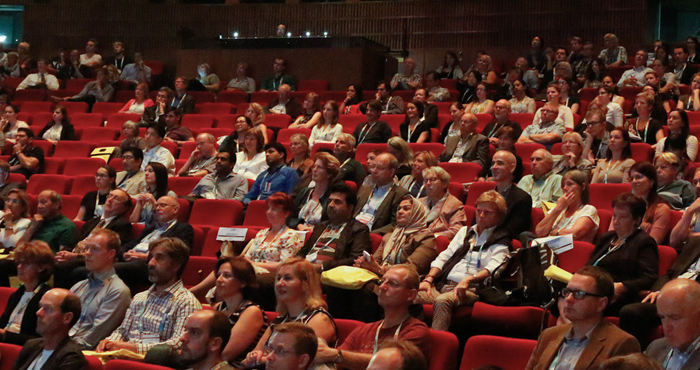
The meeting’s combination of workshops, posters, and networking supported several forms of continuing education. Clinicians could compare approaches, ask practical questions, and identify areas where their current routines needed stronger evidence.
| Meeting element | Clinical value | Possible application |
|---|---|---|
| Scientific sessions | Updates knowledge of brain-behavior relationships | Refine diagnostic reasoning |
| Poster presentations | Exposes emerging methods and findings | Track developing research areas |
| Continuing education workshops | Builds practical skills | Improve assessment or intervention |
| International discussion | Broadens cultural and professional perspective | Adapt care to diverse patients |
| Program and venue resources | Makes participation easier to navigate | Plan focused learning time |
From Attendance To Better Care
The real measure of a professional meeting is what changes after participants return to work. A clinician might revise how test results are explained, add cultural questions to an intake interview, adopt a more collaborative rehabilitation goal, or consult current research before making a difficult recommendation.
The INS mid-year meeting mattered because it treated professional development as a route to better patient care. It encouraged clinicians to remain scientifically informed while recognizing uncertainty, individual experience, and the emotional consequences of assessment results.
Practical Ways To Carry The Learning Forward
Clinicians can turn conference learning into routine practice by choosing a few specific actions:
- Review one current research topic and relate it to an active clinical question.
- Reconsider whether assessment tools are appropriate for a patient’s language, culture, and educational background.
- Share a useful workshop principle with colleagues through case discussion or supervision.
- Explain findings in plain language and invite the patient’s goals into treatment planning.
- Record one change in practice and evaluate its effect over time.
The Prague meeting remains a useful reference point for clinicians who want neuropsychology to be scientifically rigorous and genuinely patient-centered. Explore its program and archived materials, then use one evidence-informed idea to strengthen the next assessment, consultation, or rehabilitation plan.
General Information
Important information about the meetingIndustry
Support and exhibition opportunitiesCzech Republic
Beautiful country situated in the very heart of EuropeContact
How can we help you?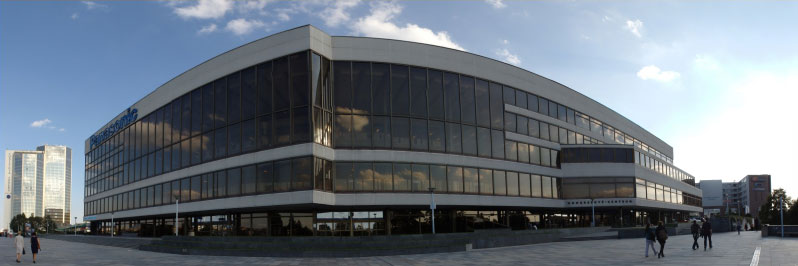
Prague Congress Centre (KCP)
5.května 65140 21 Prague 4
Czech Republic
Phone: +420 261 171 111
Website: www.kcp.cz