



What INS 2018 Posters Revealed About Neuropsychology
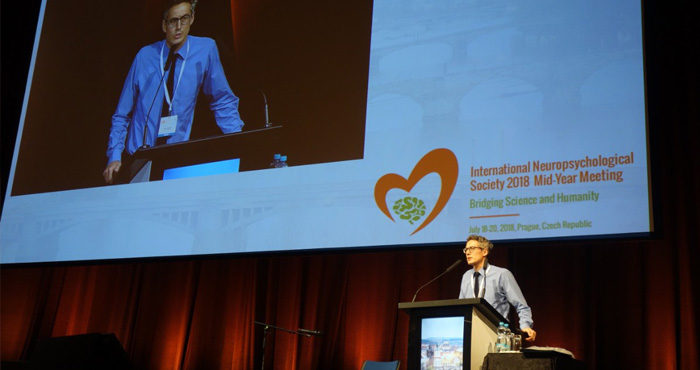
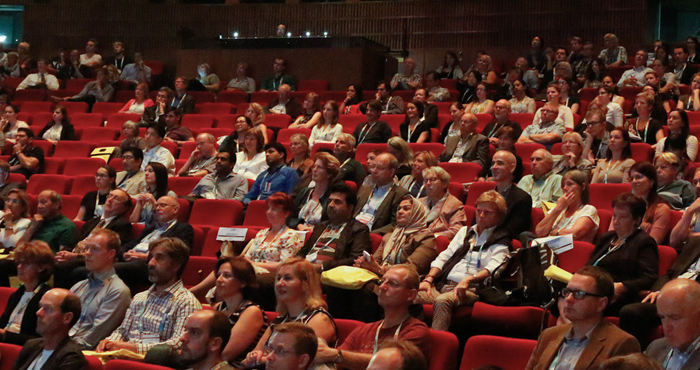
The highlights from the INS 2018 poster sessions reflected the field’s broad reach: memory, attention, language, executive function, brain injury, aging, development, and mental health all appeared within a shared scientific conversation. Held in Prague from July 18–20, 2018, the International Neuropsychological Society mid-year meeting brought laboratory research and clinical practice into close contact.
Poster presentations offered a fast-moving view of current neuropsychological research. Their compact format encouraged direct discussion, allowing researchers, clinicians, students, and trainees to compare methods, challenge interpretations, and consider how findings might influence assessment or rehabilitation.
A common thread ran through the sessions: cognitive data become most valuable when they are interpreted within a person’s medical history, cultural setting, everyday demands, and treatment goals. That emphasis matched the meeting’s wider commitment to humane patient care.
From Experimental Measures To Clinical Questions
Many posters focused on how specific cognitive processes can be measured with greater precision. Tasks involving working memory, processing speed, inhibitory control, verbal learning, and visuospatial reasoning helped researchers examine the subtle patterns that may be missed by broad screening tools.
The practical value of these studies lay in their connection to real decisions. A refined measure of executive functioning, for example, may help clarify whether a patient’s difficulties arise from slowed processing, poor strategy use, fatigue, or impaired self-monitoring. Such distinctions can shape diagnosis, feedback, and rehabilitation planning.
Memory Research Across Age And Illness
Memory-related work remained central to the poster program, with attention to healthy aging, neurological disease, and the effects of injury or treatment. Researchers examined how encoding, retrieval, recognition, and delayed recall interact, while also considering the role of mood, sleep, education, and other factors.
This broader perspective is essential in geriatric neuropsychology. A low score does not automatically indicate progressive disease, just as a strong score does not rule out meaningful everyday problems. Poster discussions encouraged clinicians to combine test performance with functional history and reports from family members or caregivers.
Connecting Brain Science With Daily Function
The strongest poster themes often crossed traditional boundaries. Neuroimaging, electrophysiology, computational modeling, and behavioral testing were presented as complementary approaches rather than competing ones. These methods can reveal how brain systems support attention, language, learning, and decision-making.
Yet the most useful question remained practical: what does a laboratory result explain about life outside the clinic? This is the central issue explored in discussions of bridging laboratory findings, where scientific advances are considered alongside the realities of assessment, treatment, and patient communication.
| Research emphasis | Clinical relevance | Questions raised by poster discussions |
|---|---|---|
| Memory and learning | Clarifying cognitive change and rehabilitation targets | Which factors affect encoding and recall? |
| Executive functioning | Understanding planning, flexibility, and self-monitoring | How well do laboratory tasks reflect daily behavior? |
| Neuroimaging and biomarkers | Linking cognitive profiles to brain systems | Can biological measures improve individual diagnosis? |
| Cultural and linguistic variables | Supporting fairer assessment | Are norms appropriate for the person being tested? |
| Development and aging | Tracking change across the lifespan | Which abilities remain stable, and which are vulnerable? |
Culture, Language, And Fair Assessment
Cultural neuropsychology appeared as an important corrective to assumptions built into many standard measures. Language background, educational opportunity, migration history, acculturation, and familiarity with testing conventions can all influence performance.
The poster sessions reinforced the need for careful interpretation rather than mechanical score comparisons. Appropriate norms are valuable, but they cannot replace clinical judgment. Assessors must consider whether an apparent impairment reflects neurological dysfunction, limited exposure to a task, a language mismatch, or a combination of influences.
Rehabilitation And Patient-Centered Practice
Several research directions had clear implications for cognitive rehabilitation. Strategy training, compensatory techniques, metacognitive approaches, and technology-assisted interventions all depend on understanding what a person can do, where breakdowns occur, and which goals matter in daily life.
Patient-centered care also requires communication that is understandable and respectful. Neuropsychological results should be translated into practical guidance for patients, families, teachers, employers, and medical teams. The poster format supported this collaborative spirit by making complex research accessible through conversation.
Lessons For Future Neuropsychological Research
The meeting’s poster activity demonstrated the value of work that is focused, transparent, and clinically aware. Strong studies benefit from reliable measures, representative samples, appropriate comparison groups, and cautious claims. They also gain significance when researchers explain how findings might be used beyond the research setting.
Key priorities emerging from the sessions include:
- Combine cognitive testing with medical, emotional, and functional information.
- Report demographic and cultural variables clearly when interpreting results.
- Design outcome measures that capture everyday participation, not scores alone.
- Build closer partnerships between researchers, clinicians, patients, and caregivers.
- Treat preliminary poster findings as foundations for careful follow-up studies.
The INS 2018 poster sessions offered more than a snapshot of current projects. They showed a discipline working to connect neuroscience with lived experience, while preserving the curiosity and debate that drive scientific progress. Explore the conference materials and related neuropsychology coverage to see how these ideas continue to inform assessment, research, and compassionate clinical practice.
General Information
Important information about the meetingIndustry
Support and exhibition opportunitiesCzech Republic
Beautiful country situated in the very heart of EuropeContact
How can we help you?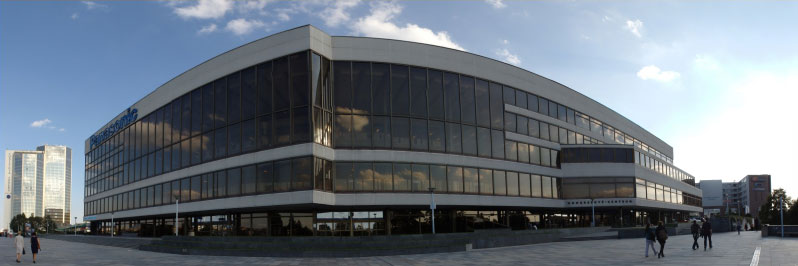
Prague Congress Centre (KCP)
5.května 65140 21 Prague 4
Czech Republic
Phone: +420 261 171 111
Website: www.kcp.cz