



From Neuroscience to Everyday Neuropsychology
The strongest clinical insights are valuable only when they improve decisions made with real patients. Integrating neuroscience into daily practice means translating findings about brain networks, cognition, emotion, and behavior into assessments and interventions that are understandable, ethical, and useful.
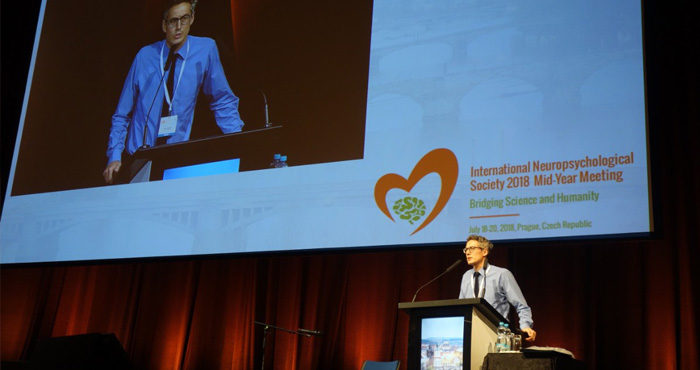
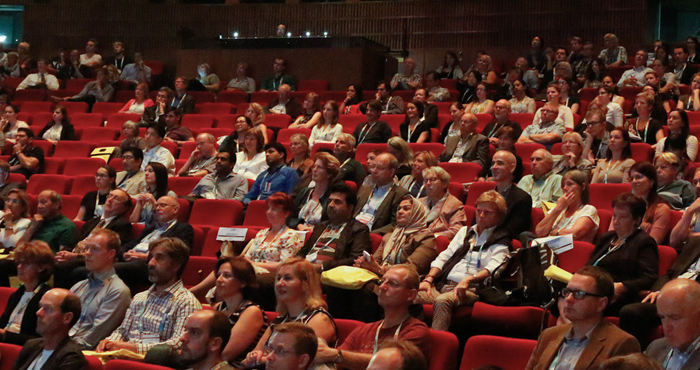
The 2018 International Neuropsychological Society mid-year meeting in Prague placed this translation at the center of professional exchange. Held from July 18–20, the meeting connected scientific advances with humane patient care, cultural awareness, neuroscience, and clinical neuropsychology.
A workshop spotlight on this theme is especially relevant for practitioners who want to move beyond isolated test scores. The goal is a practical framework: understand the biological mechanisms, recognize the limits of the evidence, and apply it in a way that respects each patient’s history and circumstances.
Turning Brain Science Into Clinical Questions
Neuroscience can sharpen the questions asked during an evaluation. Knowledge about attention systems, memory circuitry, executive control, and processing speed helps clinicians interpret patterns rather than treating individual scores as independent facts.
This approach also encourages hypothesis-driven assessment. A clinician may examine whether slowed performance reflects inefficient attention, fatigue, mood symptoms, medication effects, or neurological change. Brain-based models provide direction, but they do not replace careful interviewing, behavioral observation, and functional information.
The most useful translation is therefore indirect. Neuroscience informs the clinical lens while the patient’s daily experience determines which questions matter most.
Reading Evidence With Clinical Judgment
Research findings can appear highly precise while still having limited relevance to an individual case. Group-level results, laboratory tasks, and imaging correlations do not automatically predict how a particular person will manage work, relationships, or independent living.
Practitioners need to distinguish established mechanisms from promising hypotheses. A neural correlate may help explain a pattern without serving as a diagnostic marker. Similarly, a cognitive intervention supported by research may require adaptation for age, language, education, culture, motivation, and available support.
Continuing education is most valuable when it makes this reasoning visible. The conference’s workshop materials offer a useful reminder that professional learning should connect scientific literacy with decisions made in assessment rooms and rehabilitation settings.
Connecting Assessment With Function
Neuropsychological assessment becomes more meaningful when results are linked to tasks patients actually perform. A profile of working-memory weakness matters differently for a university student, a driver, a parent managing a household, or an older adult handling medication.
Clinical interpretation can follow a simple sequence: identify the cognitive process, observe how it affects behavior, and determine what environmental support could reduce the impact. External reminders, written instructions, reduced distractions, structured routines, and paced learning may be more valuable than an abstract description of impairment.
| Neuroscience-informed focus | Practical clinical translation |
|---|---|
| Attention and arousal | Adjust session length, reduce distractions, and monitor fatigue |
| Memory systems | Use repetition, retrieval practice, and external memory aids |
| Executive control | Break complex tasks into steps and provide planning supports |
| Emotional regulation | Consider stress reactivity, motivation, and therapeutic alliance |
| Brain recovery and plasticity | Set gradual goals and track change across meaningful activities |
This functional orientation protects patients from being defined by deficits. It also gives families, teachers, employers, and rehabilitation teams information they can use.
Keeping Care Humane And Culturally Responsive
Neuroscience does not exist outside culture. Language, educational opportunity, health beliefs, family roles, access to care, and experiences of discrimination can all influence test performance and recovery. A biologically informed interpretation that ignores these factors may create false certainty.
Cultural responsiveness requires more than selecting translated measures. It involves asking how symptoms are described, who provides support, what recovery means to the patient, and which recommendations are realistic. Normative data should be considered carefully, especially when a person’s background differs from the sample used to develop a measure.
Humane care also means explaining findings without unnecessary technical language. Patients deserve an account of their strengths and difficulties that is accurate, hopeful, and free from deterministic claims about the brain.
Making Neuroplasticity Actionable
Neuroplasticity is often presented as a broad promise, but daily practice requires specific behaviors and measurable goals. Rehabilitation plans work best when they identify the skill to be strengthened, the context in which it matters, and the signs that progress is occurring.
Repeated practice can support learning, yet repetition alone is insufficient. Tasks should be appropriately challenging, feedback should be meaningful, and strategies should transfer to everyday environments. Sleep, physical health, emotional well-being, and social engagement can also influence cognitive functioning and treatment participation.
Clinicians can track both performance and participation. A small improvement in a laboratory task may be less important than remembering appointments, completing a work routine, or communicating effectively with family members.
Recommendations For Daily Practice
- Begin with a functional concern before selecting tests or interventions.
- Use neuroscience to generate hypotheses, then verify them through history and observation.
- Explain brain-based findings as possibilities and patterns rather than fixed labels.
- Adapt recommendations to language, culture, education, fatigue, and available support.
- Measure outcomes in everyday activities as well as formal cognitive tasks.
The Prague meeting’s emphasis on linking scientific progress with compassionate care remains highly practical. When clinicians combine neuroscience, clinical reasoning, and cultural humility, research becomes more than background knowledge—it becomes a tool for clearer assessment and better lives.
Explore the educational resources, revisit the workshop themes, and apply one evidence-informed change to your next clinical formulation or intervention plan.
General Information
Important information about the meetingIndustry
Support and exhibition opportunitiesCzech Republic
Beautiful country situated in the very heart of EuropeContact
How can we help you?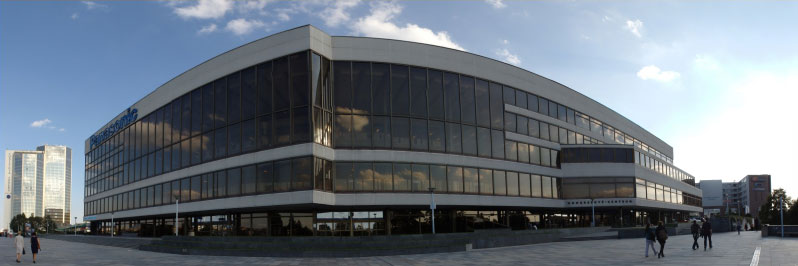
Prague Congress Centre (KCP)
5.května 65140 21 Prague 4
Czech Republic
Phone: +420 261 171 111
Website: www.kcp.cz